Young people are increasingly swapping bottomless brunches, packed dancefloors, and endless doomscrolling for quieter pursuits like reading, crochet, and card games. Social media hashtags for “grandma hobbies” have soared 400% in the last year, as pastimes once considered old-fashioned are reclaimed as an antidote to modern life.
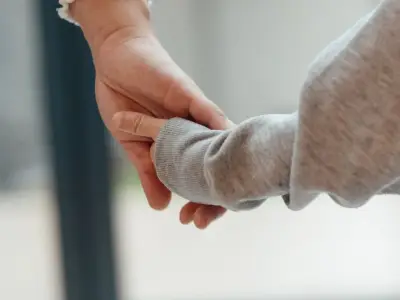
Psychotherapist and author Eloise Skinner attributes the revival to nostalgia, a desire for deeper connection, and the fact that many activities require using hands and focusing on the present. “The fact that many of these activities require us to use our hands can also lead into this, making us feel more present and engaged,” she explains.
Bridge, Crochet, and Gardening Gain Appeal
Sylvie Frankel, 41, from Derbyshire, has played bridge since age 10, when her mother introduced her to the game. She represented the German national team as a student and now plays mostly online with four children. “I think bridge is a bit like chess, but it’s more complicated,” she says. “It’s strategy, logic and memory.” Sylvie has also taken up crochet, saying craft groups helped her form connections after moving home.
Gardening is also attracting younger followers. Milli Proust, whose seed business has a Gen Z and millennial following, told The Times: “Gardening is so physical – it’s one of the only parts of the world that the algorithm can’t touch.” She sees planting seeds as “participation over consumption,” offering opportunities to learn and create rather than buy ready-made items.
Personal Stories of Calm and Connection
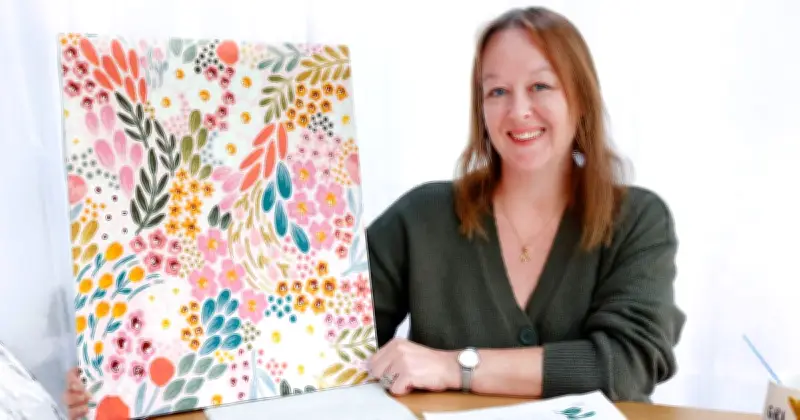
Claire Bartlett, 42, from Solihull, turned to painting-by-numbers, punch needling, candle-making, and Lego flowers after entering perimenopause. “I just needed a way of quietening the mind and, you know, just taking pause on life really,” she says. She notes that the finished artwork is almost beside the point: “I don’t think the finished piece is necessarily the reward. It’s prioritising myself in that moment and doing the action itself that is the reward.”
Sonali Saujani, 38, from a village outside Evesham, found friendship through a book club after moving in 2020. The group’s first in-person meeting was in 2021, and she discovered reading could lead to friendships. “It’s people that I can talk to,” she says. She was the youngest member, while her friend Jill is in her late 80s. “It’s just a common interest, regardless of age,” she adds.
A Therapeutic Escape from Screens
Brian Dillon learned knitting from his Nana during the second lockdown, when he was in his mid-20s. “I needed a non-screen hobby in the second lockdown,” he says. His Nana makes baby hats for a Dublin maternity hospital, and Brian’s first hat was worn by his niece. “Knitting gives me a flow state, a complete escape, it’s satisfying and relaxing,” he says. “It’s therapeutic, it’s mindful, not about mastery. Not everything has to be improved upon.”
For a generation raised with smartphones and constant availability, there is an irony: these offline pursuits are often discovered through online platforms like crochet tutorials and BookTok. Yet the activities themselves require attention. In a culture obsessed with productivity, spending an evening reading, playing bridge, or making something imperfectly simply because it feels good has become quietly radical.