
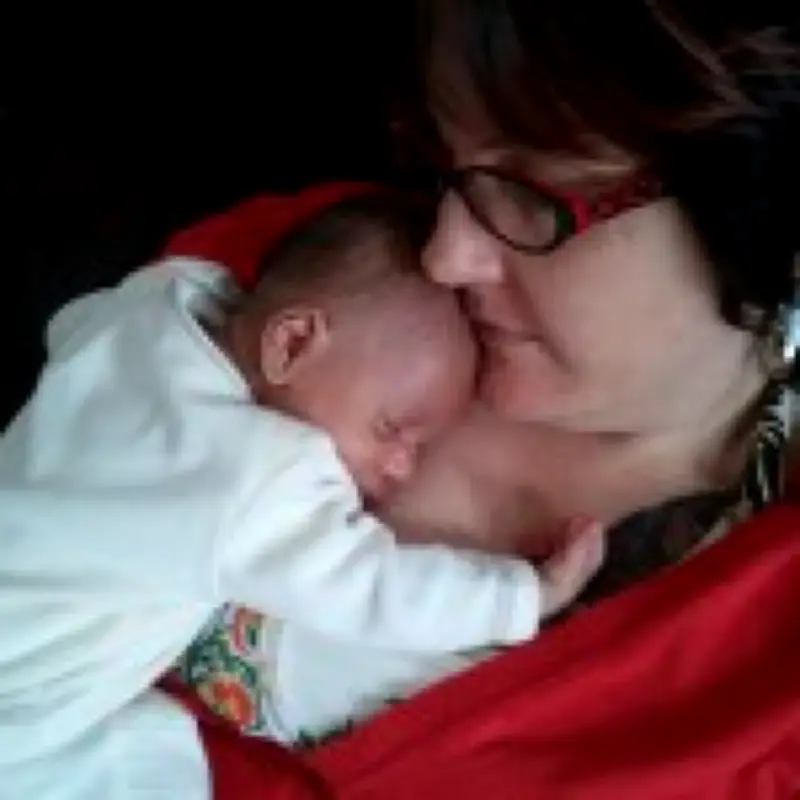
Amy-Jane Foster, 45, from Fordingbridge, Hampshire, has no recollection of giving birth to her son Joe, now 15, or the first two years of his life. She miscarried twice before carrying Joe to seven months. 'I can’t remember my labour, finding out if I’d had a son or daughter, that first kiss, cuddle and touch,' she says. 'I have no recollection of giving him his first feed, changing a nappy, settling him. The first 24 months of his life are just a blur.'
Living with Severe Epilepsy
Amy-Jane suffers severe tonic-clonic seizures lasting up to three minutes, causing her to lose consciousness. She has been on strong medication since age 11 and has undergone two brain operations to control seizures, which occur twice weekly. She feels guilty for not being a 'good enough mum' due to memory loss. Her mother Susan Hurst, 69, father Steve, 70, and sister Sophie helped raise Joe in his early years. 'Joe and I are very close but I sometimes feel I am his best friend, not his mum,' Amy-Jane says. 'He tells me everything but I do feel cheated and hurt.'
Missing Memories Campaign
Amy-Jane is sharing her story as part of Epilepsy Action's Missing Memories campaign, which highlights the often unseen side of epilepsy. Epilepsy affects about one in 100 people in the UK, according to NHS and charity data. Not everyone with epilepsy experiences memory loss on the same scale, but for Amy-Jane it is a daily reality.
Another Sufferer's Story
Bob Sutcliffe, 55, from Witherslack, Cumbria, cannot remember his wedding day in 2000 or his honeymoon in Mauritius due to epilepsy. He was diagnosed with juvenile myoclonic epilepsy at age 36 after his first seizure during a work meeting. Bob and his wife Jan decided not to have children due to the risk of seizures. 'I could not cope with the fear I might drop a baby if I had a seizure,' Bob says. Jan adds, 'I love Christmas and would cry that we had no child to share it with.' Bob has been seizure-free for nine years and has raised over £1 million through his charity, The Creative Health Trust UK.
Support and Understanding
Jon Eaton, director of communications and digital engagement for Epilepsy Action, says: 'Every year, we hear from thousands of people suddenly isolated by a condition that can rob them of consciousness at a moment’s notice. Alone, they struggle to regain control, while missing the key memories that make them who they are. We help people who can no longer recognise the lives they are living to get back to living well. The public can help by filling in the blanks and talking to people with epilepsy in your lives, showing understanding, compassion and support.'




