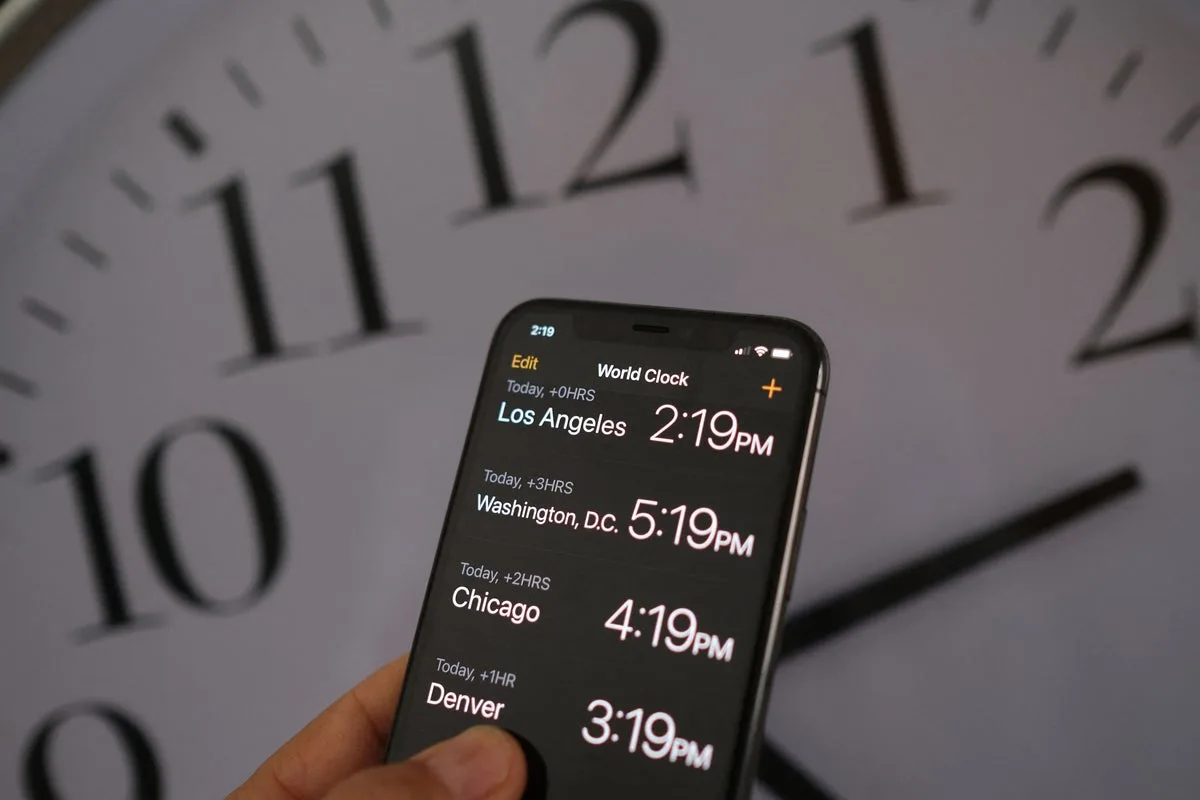
Daylight saving time may pose serious risks to those living with chronic mental illnesses, a major new review of studies has warned. The seasonal practice of advancing clocks by one hour in the spring and returning them to standard time in autumn was originally implemented to optimise daylight use, and is currently observed in over 70 countries worldwide.
Studies have shown that the biannual clock changes can affect the body’s natural internal clock, or circadian rhythm, with implications for the health and safety of nearly one billion people who follow the practice. However, research on the exact mental health effects of daylight saving time (DST) remains “fragmented”, say scientists from New Mexico State University (NMSU).
A new research review has compiled the findings of 60 studies worldwide spanning psychiatry, neuroscience and public health to consolidate evidence on DST’s effects. Scientists found that the one-hour time shift caused by daylight saving time acts as a population-wide circadian stressor. People with depression, bipolar disorder, anxiety disorders, PTSD, ADHD and psychotic disorders face particularly heightened risks during the days and weeks following a clock change, researchers warn in the review, which was published in the journal Brain Sciences.
“We now have evidence that daylight saving time changes disrupt circadian rhythms in ways that are harmful to people with mental health and sleep-related difficulties,” said Elizabeth England-Kennedy, assistant professor of public health at NMSU. “We change the clocks in a single night, but the brain does not adjust that quickly. Daylight saving time silently disrupts the body’s biological clock, influencing sleep, emotional regulation, cognition, and psychiatric stability,” said Kavita Batra, a study co-author from the University of Nevada, Las Vegas.
For now, scientists urge clinicians to treat DST transitions as modifiable risk windows during which they can provide anticipatory guidance to patients on gradually shifting their sleep schedules several days before a clock change. They say doctors could prescribe morning bright-light exposure for patients to help realign their natural body rhythms during the weeks around the transitions. Researchers say permanent standard time, rather than permanent daylight saving time, would better serve public mental health because it more closely aligns with natural morning light exposure and the body’s internal clock.