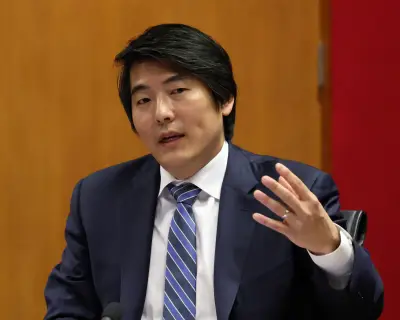
Television doctor Amir Khan has shared five hormonal imbalance symptoms in women that he says "deserve proper medical attention," urging women not to simply "put up with" them. In a TikTok video, the ITV regular, known for his appearances on Lorraine and Good Morning Britain, highlighted heavy or irregular periods, persistent fatigue, stubborn acne, hair loss, and mood changes as signs that should not be overlooked.
Heavy Periods and Fatigue
Opening the video, Dr Khan stated: "Let's talk about hormone symptoms women are told to ignore but absolutely shouldn't." First on his list is heavy or irregular periods. "If you're bleeding through your pads or tampons every hour, bleeding for more than seven days, or skipping periods altogether, don't ignore it," he said. "This could be a sign of endometriosis, adenomyosis, PCOS, thyroid issues, or even fibroids."
Endometriosis is a chronic condition in which tissue resembling the womb lining grows outside the uterus, typically within the pelvis, while adenomyosis occurs when the uterine lining begins penetrating the muscular wall of the womb. PCOS, or Polycystic Ovary Syndrome, is a condition that affects hormone levels. The thyroid gland also regulates hormone levels, while fibroids are common, non-cancerous growths that develop in or around the womb. Dr Khan continued: "It's not just bad luck or something you should you have to put up with."
The second sign is persistent fatigue. He added: "Now, we all get tired, but if you feel wiped out despite sleeping well, it could be hormonal. Think low thyroid, low iron, B12 deficiency, or cortisol dysregulation from chronic stress. It's not laziness, it could be something serious."
Acne, Hair Loss, and Mood Swings
Third on the list is stubborn acne, especially around the jawline and chin. Dr Khan stated: "Adult hormonal acne is real and often linked to high androgens, like in PCOS. It can also be triggered by perimenopause." Androgens are hormones that regulate sex drive and reproductive health, alongside bone density, energy levels, and mood. Perimenopause describes the transition women undergo before menopause, when the ovaries produce fewer eggs and hormone levels vary significantly. Dr Khan noted: "A good skincare routine won't fix it. This needs a hormonal work-up."
The fourth indicator is hair loss or thinning, with hair falling out in clumps, or the parting in the centre of the head gradually widening. Dr Khan explained: "That's often dismissed, but it could point to thyroid imbalance, low iron levels, a scalp issue, or the menopause-related changes. It's worth investigating."
Completing the list is mood swings, anxiety, or low libido. Dr Khan said: "Hormones don't just affect periods, they affect your brain too. Oestrogen, progesterone, and testosterone all influence mood, motivation, and sex drive. Sudden mood changes, PMS that floors you, or feeling completely disconnected from yourself. That's not just being hormonal, it's medical."
Concluding his assessment, Dr Khan said: "So if you're dealing with any of these and being told it's normal, I'm here to tell you it's not. You deserve better. So go and talk about it with your doctor, and hopefully you'll get listened to."