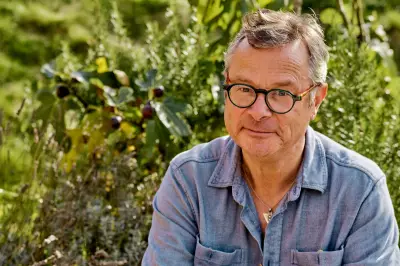
As horticultural teams meticulously prepare for next week's Chelsea Flower Show, the stunning garden displays are increasingly designed with a lasting legacy in mind, destined for life beyond the event. The Royal Horticultural Society (RHS) has actively championed this sustainable approach, encouraging designers to ensure their creations find new homes. Since 2016, the RHS has relocated its own feature gardens, notably sending Monty Don's 'dog garden' to Battersea Dogs and Cats Home last year.
This commitment has been significantly bolstered by Project Giving Back, an initiative funded by two anonymous philanthropists. Since 2022, this project has supported numerous charity gardens at Chelsea, mandating their relocation or repurposing post-show – a requirement the RHS extended to all gardens from 2023. Gardens have gone to hospitals and health services, helped charity work, become community growing spaces or transformed areas for nature.
In these new spaces, displays often have to be reimagined and repurposed but dense planting schemes at the show can be spread out to fill larger spaces, while the promise of a new garden can breathe life into a much wider area, those receiving them say.

Core Arts: A Transformative Kickstart
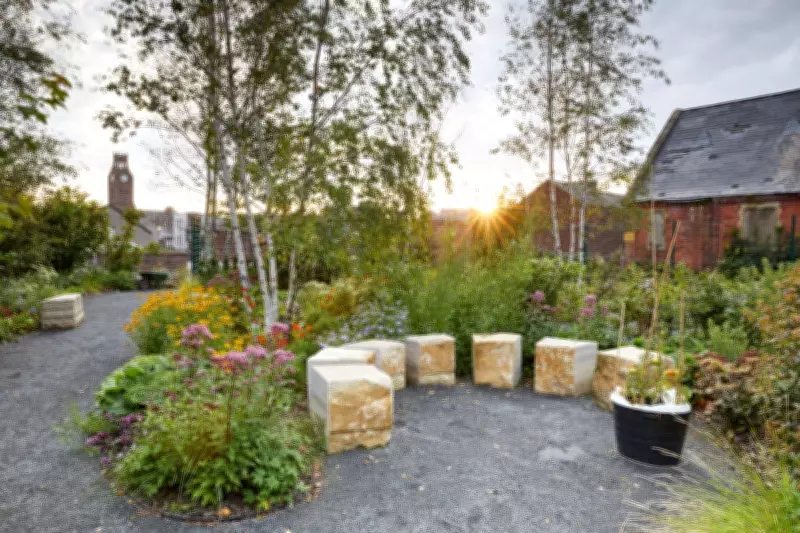
Core Arts, a mental health charity in London which runs creative education classes for people referred by the NHS, including art, music and gardening, was already in discussions to take over an area of grass, brambles and wildflowers behind the church next to its building in Hackney. Nemone Mercer, Core Landscapes project director, said receiving the garden, designed by Andy Smith-Williams 'was totally transformative' in kickstarting the new garden with plants, trees and hard landscaping.
'I'm sure the garden would have happened without Chelsea, but it wouldn't have happened then, and we wouldn't have had that kickstart and energy and momentum Chelsea gave us,' she said. The garden now provides a space for people to learn skills, experiment with different ways of growing and adapting to climate change, boosting confidence and social connections, Ms Mercer said.
It delivers three layers of benefits, she said: 'As an individual person, getting their hands dirty and connecting one to one with nature is a way of slowing down and resting your nervous system. When you're doing that in a social environment you're getting these social connections. And the third thing is knowing you're part of a bigger community.'
Lorna Nelson, a service user who now helps as a support volunteer at a weekly session run by Ms Mercer, said the garden 'has been brilliant, it's been very therapeutic'. 'It was a real inspiration to be at Chelsea and just to see you don't have to have a great bit of land, you can have a small space and make it beautiful,' she added.
Down's Syndrome Scotland Garden: A Genuine Legacy
Duncan Hall, who designed the Down's Syndrome Scotland garden with Nick Burton in 2025, was inspired by his nephew Liam who has Down's syndrome, to create a space celebrating the compassion, sensitivity, playfulness and fun people with the genetic condition 'tend to have in abundance'. It also highlighted the challenges they face in getting an education and proper healthcare, Mr Hall said, adding the way in which the team of volunteers from the charity who chatted to visitors at Chelsea raised awareness was 'way above my expectations'.
The display's post-Chelsea home at Palacerigg Country Park, North Lanarkshire, is part of Watch Us Grow's existing garden working with people with learning disabilities including Down's syndrome, and has provided impetus for reinvigorating and improving facilities at the park. 'What's really key is it will continue to be looked after and developed with Down's syndrome forever now, it's a really genuine legacy, which was really important to us,' Mr Hall said.

Mind Garden: A Focal Point for Mental Health
Glenn Mahaffy, eco-project lead at Mind-in-Furness, in Barrow-in-Furness, said the Mind garden designed by Andy Sturgeon for Chelsea in 2022, had become a 'very beautiful place we love' in its new home on a derelict site next to the charity's building in a deprived area in the town centre. He said the space was a focal point for his groups at the mental health charity, enabling social opportunities and a chance to spark conversations that are different from face-to-face counselling sessions.
And he said: 'If they step inside the garden and show a bit of interest, I'll nurture that interest at a level they can take home to their window sill. If they can nurture a plant it's very empowering, there's something about planting that seed and the hope that comes with it. It's really healthy to get people outside and bring a bit of fresh air and get out of the house – it's a great opportunity for people to start living again.'
He said that Mr Sturgeon had come to give the volunteers a masterclass in planting the garden, which had to be changed slightly to fit its new space – with Mr Mahaffy's aim for the future now focused on developing a teaching room in the garden if funding can be found. He added: 'It's a beautiful reimagining, it fits the space well, much to the benefit of the town centre.'