Tragic Details Emerge from Inquest into 13-Year-Old's Suicide
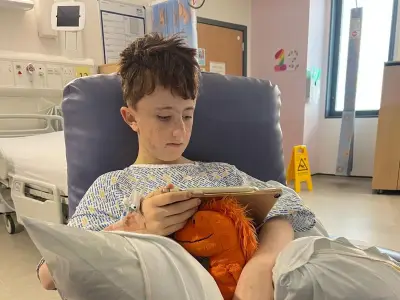
A coroner's investigation has uncovered the distressing circumstances surrounding the death of a 13-year-old boy who took his own life after enduring bullying about his sexuality at school and feeling overburdened with chores at home. Leyton Taylor, a pupil at Wymondham High Academy in Norfolk, was subjected to callous jibes from fellow students after revealing he had a boyfriend.
Pressures at School and Home
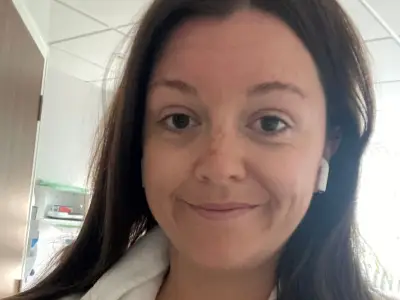
The inquest at Norfolk Coroner's Court heard that Leyton faced significant challenges both academically and domestically. At school, he was taunted for his more feminine manner of speaking, with peers rejecting him for not conforming to the "hard boy" stereotype. His mother, Kerry Taylor, stated that the bullying was not a brief episode but an ongoing issue, though Leyton discouraged her from complaining to the school, fearing it would exacerbate the situation.
At home, Leyton, the second oldest child, was tasked with more responsibilities than his siblings, including caring for his seven-year-old half-brother who suffers from Dravet syndrome, a rare and severe form of epilepsy requiring constant attention. His duties extended to cleaning and shopping, with his mother acknowledging that she relied on him heavily because his siblings often argued back when asked to help.
Final Days and Family Dynamics
On the day of his death, April 6 last year, Leyton had been disciplined multiple times, including being slapped on the head by his stepfather, Kyle Townson, for an incident involving his disabled brother on a trampoline. Additionally, his television was confiscated after he used a sibling's bicycle without permission to collect a ready meal. Days earlier, Leyton had expressed a desire to run away and live with his grandparents, a plea his mother did not take seriously at the time.
Coroner Yvonne Blake recorded a narrative conclusion, noting that while Leyton took his own life, there was no clear evidence of his intent. She emphasized that anyone, not just a teenager, would feel "fed up" under such cumulative pressures. The inquest revealed that Leyton had moved with his family from Dickleburgh to Wymondham part-way through the school year, forcing him to leave close friends and struggle with social integration at his new school.
School Response and Aftermath
Chris Smith, headteacher of Wymondham High Academy, which has approximately 1,600 pupils and is rated "good" by Ofsted, stated that the school was unaware of Leyton's problems until after his death. He described Leyton as appearing happy and confident in interactions with adults, but acknowledged that remarks about his sexuality had been made by other students. Following the tragedy, the school offered additional support to pupils and communicated with families about the incident.
Leyton was found unresponsive in his bedroom after hanging himself. Paramedics managed to restart his heart, and he was taken to Norfolk and Norwich University Hospital before being transferred to Addenbrooke's Hospital in Cambridge. However, he remained unconscious, and his family agreed to withdraw treatment after doctors indicated he would not survive unaided. His organs were donated to help others, with the cause of death listed as brain stem death resulting from asphyxiation by hanging.
Family Reflections and Calls for Awareness
In emotional statements, Leyton's family expressed deep regret and sorrow. His stepfather, Kyle Townson, admitted that he could have done more to support Kerry and Leyton, acknowledging that the combination of school issues and domestic stresses likely contributed to the tragedy. Leyton had previously asked about seeing a counsellor and commented on "putting on a fake mask of smiling," highlighting his internal struggles.
In an online tribute, his family described Leyton as a "one-of-a-kind soul" with an infectious sense of humour and loving spirit, while also noting his hidden battles with mental health. They emphasized the importance of raising awareness for suicide prevention among young people, urging greater vigilance and support for those who may not openly seek help.