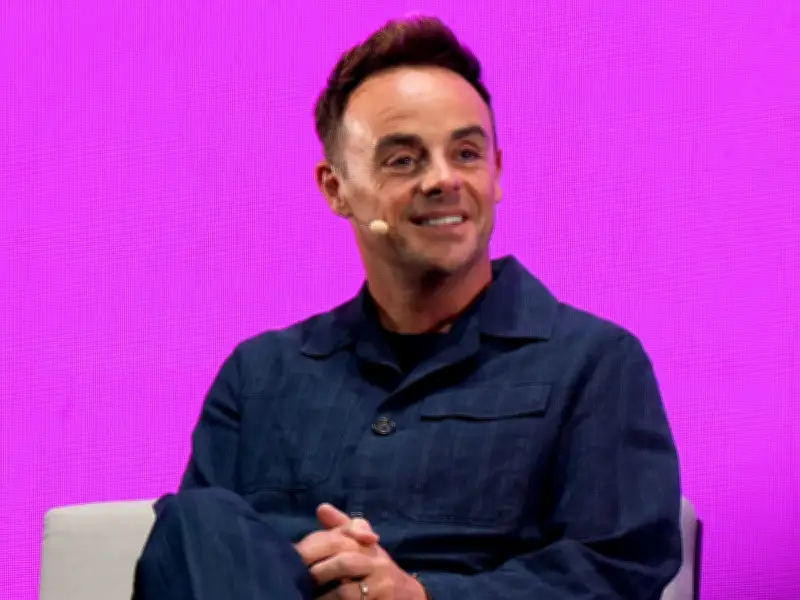
I'm A Celebrity presenter Ant McPartlin has revealed he "never knew" for a long time about a health condition he later discovered he had since childhood. The ITV star was only formally diagnosed with attention deficit hyperactivity disorder (ADHD) in his forties.
A diagnosis that came later in life
Now aged 50, the TV host was formally diagnosed with the condition when he was 43. In an interview in January 2019, he said: "I've got ADHD. I don't mind talking about that. I was so thoroughly examined and diagnosed, I found stuff out about me I hadn't addressed for years."
Ant is well known for hosting some of ITV's most popular shows such as Britain's Got Talent and Saturday Night Takeaway. He has previously spoken openly about his mental health and how he is managing an ADHD diagnosis as an adult.
How ADHD affects his work and personal life
Ant is due to reappear on TV screens as I'm A Celebrity returns to ITV from November 16. He previously accepted that ADHD came with its own struggles, both professionally and personally.
He said: "In my job, having what they call 'popcorn thinking' is good because it means you can jump from one thing to another. Professionally it's brilliant. Personally, I'm all over the place."
Understanding ADHD symptoms
ADHD does not suddenly manifest or develop for the first time in adulthood. By definition, ADHD is a neurodevelopmental condition, meaning it is rooted in early brain development and must be present during childhood, typically before the age of 12. Many adults are only diagnosed later in life because the symptoms were either missed, masked, or misdiagnosed when they were younger.
According to the NHS, symptoms include difficulty paying attention, high energy levels, and difficulty controlling your impulses. Signs of being inattentive include being easily distracted or forgetful, finding it hard to organise your time, finding it hard to follow instructions or finish tasks, and losing things often, like your wallet, mobile or keys.
Signs of being hyperactive and impulsive include having a lot of energy, being very talkative or interrupting conversations. People with ADHD may also make quick decisions without thinking about what might happen as a result.
The NHS adds that ADHD is thought to be recognised less often in women than men. This may be because women with ADHD more commonly have inattentive symptoms and these can be harder to recognise than hyperactive symptoms. If your ADHD symptoms are affecting your studies, work or relationships, the advice is to make an appointment with a GP to find out what support is available.