
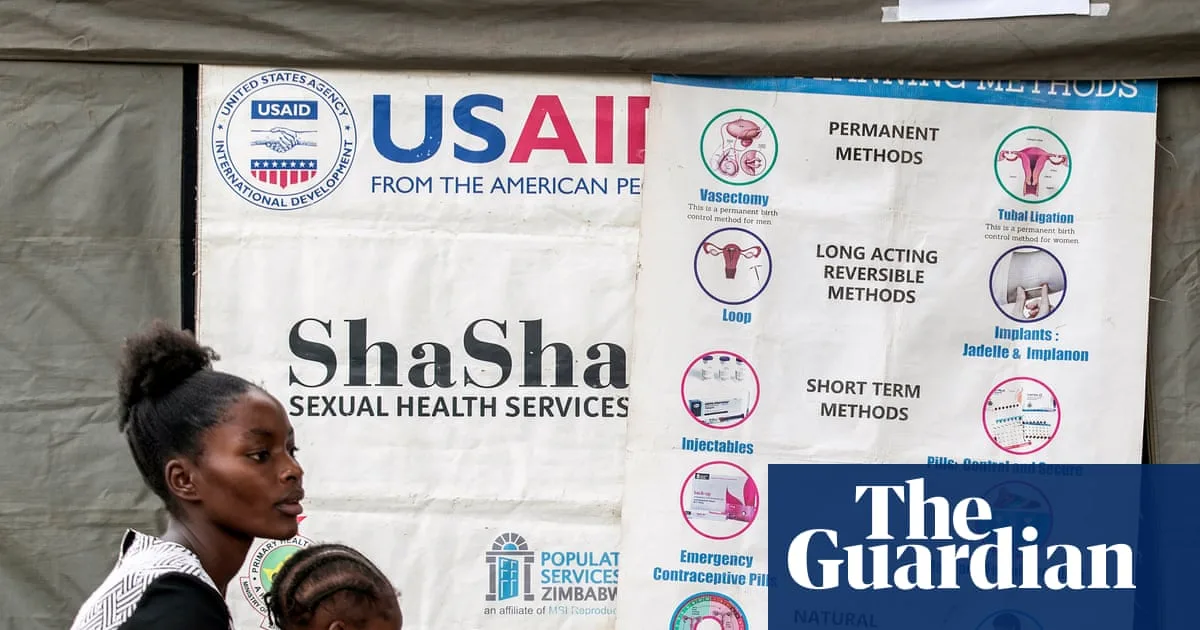
The Trump administration has decided to destroy $9.7m (£7.5m) worth of contraceptives rather than send them abroad to women in need, a move that will cost US taxpayers $167,000. A State Department spokesperson confirmed the decision, which primarily involves long-acting contraceptives such as IUDs and birth control implants, almost certainly intended for women in Africa, according to two senior congressional aides.
The destruction has sparked outrage among Democratic senators, with Jeanne Shaheen of New Hampshire and Brian Schatz of Hawaii introducing legislation to stop it. "It is unacceptable that the State Department would move forward with the destruction of more than $9m in taxpayer-funded family planning commodities purchased to support women in crisis settings, including war zones and refugee camps," Shaheen said in a statement.
The department decided to destroy the contraceptives because it could not sell them to any "eligible buyers", in part due to US laws prohibiting aid to organisations that provide or counsel on abortion services. The contraceptives have less than 70% of their shelf life remaining, the spokesperson said, and rebranding could cost millions. However, one aide who visited a warehouse in Belgium said the earliest expiration date they saw was 2027, and two-thirds of the contraceptives lacked USAID labels needing rebranding.
The eradication is part of the Trump administration's dismantling of the US Agency for International Development (USAID). After eliminating 83% of USAID's programmes, Secretary of State Marco Rubio announced that USAID's entire international workforce would be abolished and its foreign assistance moved to the State Department, to be replaced by an organisation called America First. A recent study in the Lancet suggests the funding cuts could lead to more than 14 million additional deaths by 2030, a third of them children.
Sarah Shaw, associate director of advocacy at MSI Reproductive Choices, a global family planning organisation, said MSI tried to purchase the contraceptives but the government demanded full price, which MSI could not afford. An internal survey of MSI programmes in ten countries, including Burkina Faso, the Democratic Republic of Congo, and Nigeria, found they expect to be out of stock of at least one contraceptive method within the next month. "If you have an unintended pregnancy and you end up having to seek unsafe abortion, it's quite likely that you will die," Shaw said.




