Health Visitor's 'Controversial' Newborn Visiting Rules Ignite Widespread Parental Debate
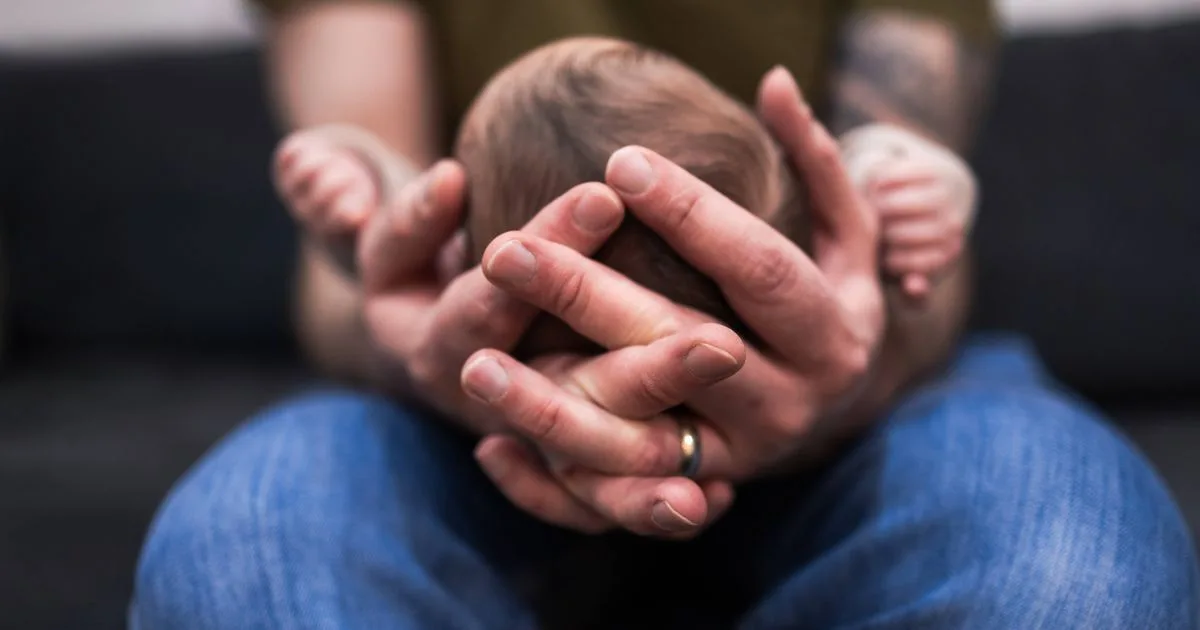
Welcoming a newborn baby into the world represents a monumental milestone for parents, filled with complex emotions and profound adjustments. For friends and extended family members, the arrival often sparks eager anticipation to meet the newest family member and offer congratulations. However, a UK health visitor has recently ignited a fiery controversy by sharing what she describes as essential etiquette rules for visiting households with newborn infants.
The 'Controversial' Guidelines That Have Divided Opinion
Ruth Watts, a practicing health visitor and mother based in England, has issued a stark warning to well-meaning visitors. Through a video shared on her Instagram platform, she outlined several behaviours she believes people should strictly avoid when visiting new parents. Her central advice is surprisingly direct: visitors should not ask to hold the newborn baby.
"When visiting somebody with a newborn baby, please, please, please do not ask to hold the newborn baby," Watts emphatically stated in her video. "Now, even if you are a grandparent, an auntie and uncle, you are not entitled to holding that child. You have no privilege. That child belongs to the mum and the other parent."
Her guidelines extend beyond simply refraining from baby-holding. Watts strongly advises against arriving empty-handed, recommending that visitors instead bring snacks or a prepared meal for the exhausted parents. She also cautions against "parking" oneself on the sofa and overstaying one's welcome. The core principle, according to Watts, is that visitors should make themselves genuinely useful.
Practical Support Over Passive Visits
"When coming to meet a newborn or coming to see the family who have just had a newborn baby, bring snacks," Watts instructed. "Be useful. Say, 'what can I do?' If they say, 'can you hold the baby while I deal with my other child,' fine. But don't come in and just park yourself on the sofa and hold the baby."
She elaborated on this philosophy of practical assistance, suggesting visitors offer to help with household chores, entertain older siblings, or simply provide emotional support to the new mother. "You are there to hold the person who's giving birth as well as the baby," she explained, "and that can be emotional, that can be helping with the house, that can be bringing a hot meal."
Watts even suggested that visitation in the initial weeks should be restricted to those who know the new mother intimately. "If you don't know what that mum, what her favourite snacks would be to bring to her, you probably shouldn't be visiting in the first couple of weeks anyway," she contended.
A Divided Response From the Parenting Community
The reaction to Watts's guidelines has been profoundly polarised, sparking intense discussion in the comments section of her video and across social media platforms. Many parents have voiced strong agreement, sharing personal anecdotes of frustrating or unhelpful visits.
One commenter praised a friend's considerate approach: "My best friend called me the day after we came home, to let me know that she’d left an M&S shop on our doorstep. She lives 45 minutes away and she didn’t even knock on the door."
Another shared a positive experience with supportive family: "So lucky to have a mum that understood this. She would come over to see us and clean for us... This is what parents need. Support in all areas, not just ‘holding the baby’!"
A third expressed frustration with presumptuous guests: "Even worse, plonking down on the sofa, asking to hold the baby as well as asking for a cup of tea or wine in the other hand."
The Counter-Argument: Sharing Joy and Building Bonds
However, a significant contingent of parents has pushed back against Watts's rules, arguing they are overly restrictive and miss the joy of shared celebration.
One dissenting parent stated: "I didn’t mind handing the baby off. I was happy that I was getting to show him off. They didn’t stay long and everyone was happy after getting baby snuggles. I’d have felt really awkward if people were doing chores in my house!"
Another emphasised the importance of community and bonding: "I loved sharing my babies and watching the love and bond develop. I thought that was so important, way more important than doing my housework but everyone helped anyway. My children are the same with my grandchildren it’s lovely and brings us all closer not pushed away."
This fundamental disagreement highlights a deeper tension in modern parenting culture: the balance between protecting a new family's privacy and recovery time, and the traditional communal celebration of a new life. The debate continues to rage, with no clear consensus in sight, as families navigate the complex social etiquette surrounding one of life's most precious events.






