
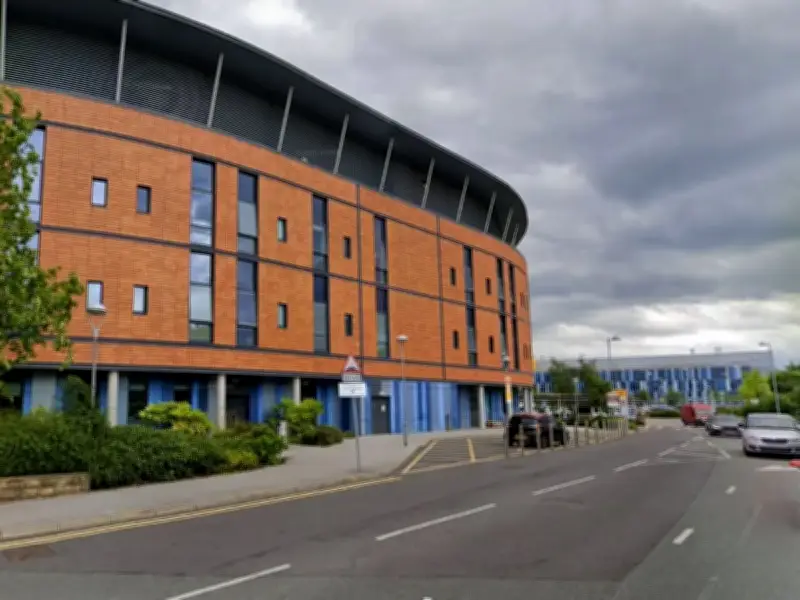
Inspectors found failings in safe care, governance and staffing when they revisited surgery teams at crisis-hit Salford Royal Hospital, but some improvements have been made.
The unit run by the Northern Care Alliance has again been rated 'requires improvement' by the Care Quality Commission (CQC), which found 12 breaches of legal regulations, including regarding safe care and treatment, governance and staffing.
The report is the latest in a run of difficulties for the trust, which is embroiled in industrial action and has come under fire after its own board papers revealed dozens of patients died or 'came to harm' due to treatment delays and serious errors made by staff working under extreme pressure. The inspection follows a Section 29A warning issued to Northern Care Alliance in October 2025.
Improvements recognised
However, inspectors said the improvements they saw during their latest visit meant the service is considered to be complying with the notice. Northern Care Alliance said it was 'pleased' the CQC had recognised improvements in the department, describing the safety of patients its 'absolute priority'. The trust added it continued to work closely with the watchdog and wider NHS to 'deliver further improvements'.
Surgical services are still suffering from staff shortages and low employee confidence, while cancelled care remains a concern, inspectors set out in a report published today (Wednesday, September 30). Issues with patient records were listed as a concern, with staff saying pre-operative assessments were sometimes unavailable or incomplete, leading to delays and cancellations. There were also fewer pre-operative staff, which increased the number of delays.
Gynaecology staff said staffing, inappropriate scheduling and improper management of rotas were causing similar problems. Theatre staff also reported delays or procedure cancellations due to insufficient staffing, impacting theatre efficiency and performance.
Operations cancelled and staffing gaps
Some 501 operations were cancelled for non-clinical reasons on the day of surgery between September 2025 and May 2026. The most frequent reasons included list overruns due to the complexity of procedures (115) and unavailable ward beds (105). There had also been 198 operations cancelled on the day of surgery for clinical reasons during this period, such as the procedure no longer being considered necessary.
Some 79 incidents were reported between September 2025 and May 2026 related to staff shortages, most of which were because of cancelled non-emergency procedures. None were reported as causing significant patient harm, and nine were graded as causing moderate harm. Wards were also still experiencing challenges due to sickness and vacancies. There were 36 whole time equivalent nurse vacancies and 27.5 whole time equivalent healthcare support staff vacancies across all the surgical wards at the time of the inspection. Recruitment was in progress but services needed more time to fully recruit and train these staff, the CQC said.
There were also more than 700 instances where staff were redeployed between areas to cover shortages between the 2025 and 2026 inspections. Despite this, nursing and support staff felt their workloads had improved and they were happier in their roles. Staff also felt levels were 'safe'. However, some staff reported issues around bullying and harassment, and spoke negatively about the support they received from line managers. Anaesthetic and medical staff reported staff morale was still low and had not significantly improved.
Further concerns and response
Some staff also still felt reluctant to raise concerns because they feared their concerns would be dismissed or lead to punitive actions from senior leaders. A reduced number of violent or aggressive incidents towards staff by patients had been reported following implementation of a new collaborative, however. Continued concerns over incident investigations was another of the improvements still needed, with staff saying the quality of investigation reports 'varied' and there were 'inconsistencies' in how harm levels were graded. Not all staff doing these investigations had undertaken formal training.
There had not been any significant improvement relating to patient length of stay, readmissions following surgery and around patient discharge processes. More than 40pc of patients waited longer than 18 weeks from referral to treatment in April 2026. Some 7.8pc of patients were readmitted following discharge, increasing to 13.7pc in general surgery and 12.2pc in gynaecology. This is up from an average of 6.6pc at the last inspection. Some services saw waits of almost a week after a decision to discharge was made.
Additional concerns were raised over staff training, with gaps in life support training compliance. Only 69pc of ward, theatre and support staff and 70pc of medical staff had completed adult immediate life support training. Just 74pc of medical staff had completed adult basic life support training. Just 12.8pc of eligible staff had completed dementia training.
Concerns over infection control were also raised, with just 69pc compliance noted on average in wards for hand hygiene observations. There was an 'improving trend' in most wards, however. PPE and cannula and catheter care compliance had improved, but remained below target. Medicine management was also criticised, with 'disorganised' storage raised, increasing the risk of 'mis-selection' and errors. Controlled drugs were not managed in line with trust policy, with discrepancies in stock. People admitted to hospital did not always have drugs 'reconciled' to ensure they continued to receive them appropriately during their stay. Some 57pc of people had this done within 24 hours, in line with guidance, and 91pc in 72 hours. Delays increased the risk of incidents, the CQC judged.
Patients and relatives spoke positively about staff, however. People said they felt 'comfortable' asking for help and said they responded promptly.
NCA deputy chief nursing officer Karen Coverley said: "We're pleased the Care Quality Commission found that we'd made improvements since their last inspection of surgical services at Salford Royal Hospital. We're particularly happy to see the 'Caring' rating improve from Requires Improvement to Good and hear that patients and their families noticed the compassionate and respectful care our colleagues provide."
"The CQC noted we've sufficiently met the requirements of the warning notice they issued us last year and that we've made progress in areas, including staffing arrangements on wards, safeguarding, patient safety processes, surgical safety compliance and the management of deteriorating patients. The safety and quality of care for our patients remains our absolute priority and we will keep our full focus on the improvement we know we still need to do."
"The CQC's inspection took place less than two months after the introduction of our new clinically led operating model. While we have made progress, we recognise that some of the changes needed are significant and will take time to fully embed across the organisation."
"Our regulatory actions and improvement requirements form part of a single integrated improvement plan, which is subject to regular oversight and scrutiny. This allows us to track progress, address areas of concern and ensure improvements are embedded and sustained."
"We will continue to work closely with the CQC, NHS England and our system partners to deliver further improvements and ensure our patients receive safe, high-quality care."




