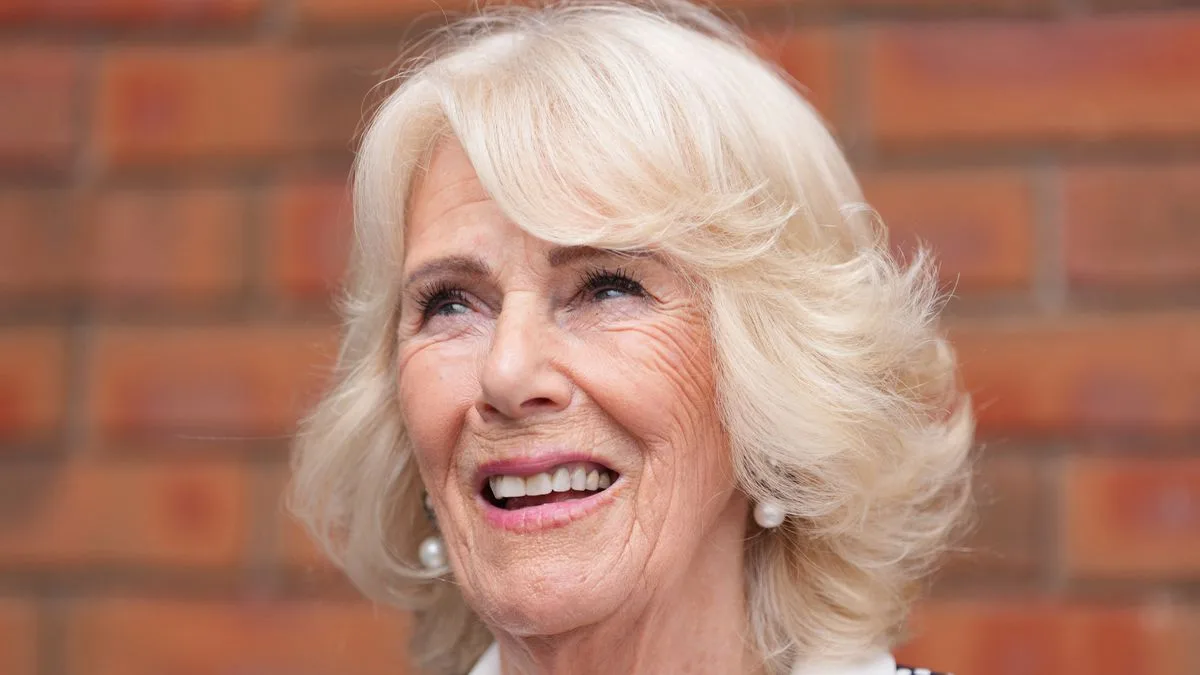
Queen Camilla has officially opened a state-of-the-art outdoor ward at a London hospital, praising the groundbreaking roof garden designed to enhance the wellbeing of critically ill patients. The Queen visited St George's Hospital in Tooting, where she was welcomed by Mark Lowcock, Chair of Epsom and St Helier's NHS Hospitals Trust.
Royal Visit to Neuroscience Wing
During her tour, Camilla greeted staff in the neuroscience wing and met the matron who oversees night shifts. The matron revealed she had worked at the hospital since 2004, prompting the Queen to exclaim, "Oh my goodness!" upon learning it was her 22nd year on the ward.
The Queen then proceeded to the outdoor ward, where she shook hands with patients, including one who had been hospitalised for 12 weeks. Speaking about the impact of the space, Camilla remarked, "I can see the difference it makes just stepping outside into the fresh air. And I'm sure all the patients here will benefit enormously from this, so I think you've done a wonderful job. I'm thrilled to be here to open it." After unveiling a plaque to officially inaugurate the Neuro Intensive Care Balcony Garden, she was presented with a large floral bouquet, leaving her visibly delighted.
Collaboration for Patient Wellbeing
The innovative outdoor space is the result of a partnership between the John King Brain Tumour Foundation and St George's Hospital Charity. What was once an unused area has been transformed into an accessible green sanctuary for patients receiving critical neurological care. The purpose-built garden offers patients suffering from complex brain injuries, tumours, or strokes access to fresh air, natural light, and a connection to the outside world while remaining under expert clinical supervision.
Growing Trend of Outdoor Wards
The concept of an 'outdoor ward' is gaining traction across London. King's College Hospital became the first in the UK to open an outdoor Critical Care garden on its roof last week, allowing patients to receive full life support while benefiting from nature. The roof garden at King's accommodates up to six beds, each equipped with a weatherproof medical cabinet housing power, data, and medical gas supplies, mirroring the care provided indoors.
Dr Tom Best, Clinical Director of King's Critical Care, explained the rationale: "Some of our most unwell patients spend weeks or even months in critical care receiving intensive and often invasive treatment. Many experience hallucinations or delirium in the clinical environment, which can be extremely frightening and delay recovery. Research shows that time spent in nature can reduce delirium, improve recovery outcomes, and lift the spirits of patients and their families. It's important to treat the whole person, and this outdoor critical care unit helps meet our goal of caring for the mind as well as the body."