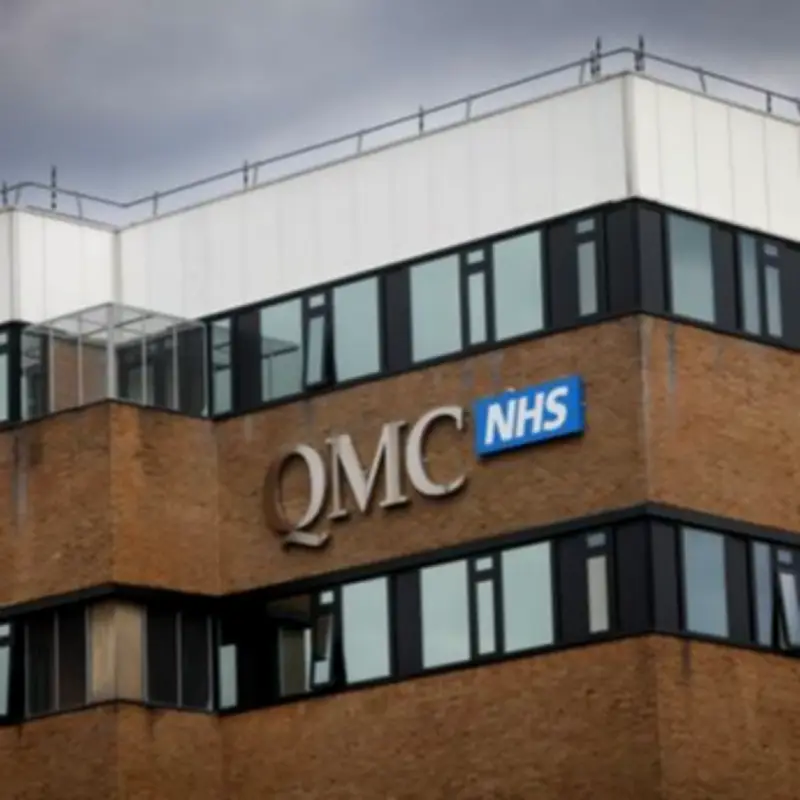
More than 500 mothers and babies suffered potentially avoidable harm or died at Nottingham University Hospitals NHS Trust (NUH) due to “deeply embedded systemic failures” and a “toxic” culture, according to an independent review led by senior midwife Donna Ockenden. The inquiry, the largest maternity review in NHS history, examined 2,500 families and over 800 staff contributions.
Scale of harm and deaths
The review identified 520 cases of potentially avoidable harm or death, including at least 156 baby deaths. Among these, 94 were stillbirths and 62 were neonatal deaths shortly after birth. Six mothers also died. Cases were graded as level 2 (significant concerns) or level 3 (major concerns), where different management could have made a difference.
Failures included oxygen starvation, mismanaged labour, hospital-acquired infections, and poor postnatal care. Specific cases highlighted include Harriet Hawkins, who died avoidably in 2016; Wynter Andrews, who died in 2019; and Ladybird, whose parents were wrongly advised to terminate a healthy pregnancy.
Systemic failures and toxic culture
The report found that leaders at NUH knew of serious issues for years but failed to act. “Across multiple cases and over many years, opportunities to recognise deterioration, escalate concerns and intervene appropriately were missed,” the report stated. There was evidence of harm being downgraded, with families told babies died of natural causes when that was not true.
A “bullying and toxic culture” persisted, with staff forming intimidating cliques and a belief in the “Nottingham-way” and “tribalism.” One staff member said: “Bad behaviours and toxic culture were normalised; people didn’t even recognise it… entrenched ways of behaving that were unprofessional and cruel to women on labour ward.”
Specific failures in care
Failures included poor monitoring of babies, inadequate CTG interpretation, failure to recognise distress during labour, and reluctance to escalate to senior doctors. There were also delays in examining women in labour, inappropriate use of oxytocin, and poor management of postpartum haemorrhage. Incidents were frequently graded too low, with stillbirths classed as “no harm.”
Women reported feeling unheard, particularly regarding reduced foetal movements. Communication support for non-English speakers was inadequate, and staff described racist attitudes towards black women. Postnatal care failures included inadequate assessment of mothers with high blood pressure and poorly feeding babies.
Leadership and staffing issues
Leadership instability was a major factor, with high turnover between 2017 and 2021. Staff reported a “culture of organisational denial” where poor outcomes were dismissed as “known complications.” Shortages led to routine working beyond safe capacity. Managers were described as “invisible, unapproachable and unresponsive.”
Failures after death
The review examined 17 babies and one adult who died, finding failures to protect dignity, including a baby disposed of as clinical waste and dehumanising language. On Monday, Nottinghamshire Police arrested two men in connection with mortuary practices at the trust.
Calls for change
Donna Ockenden said: “We owe it to every mother, every baby and every family whose terrible experiences are recorded here that they are never repeated.” She added that many oversight systems are “no longer fit for purpose.” Health Secretary James Murray pledged to “deliver lasting change,” and NUH chair Nick Carver and chief executive Anthony May apologised unreservedly, saying improvements have been made but more is needed.