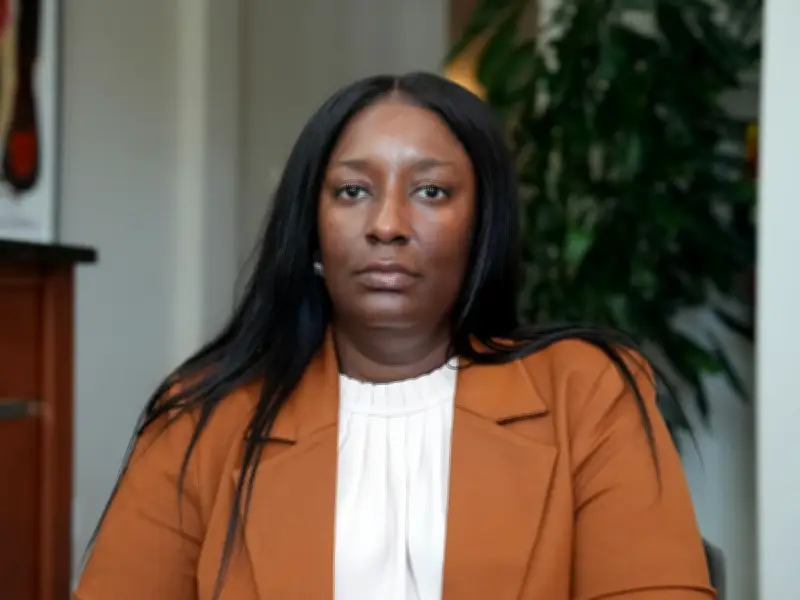
Cassandra Barksdale underwent a full hysterectomy and months of treatment after a lab mix-up led to a false cancer diagnosis. Her attorneys filed a lawsuit Tuesday against Kaiser Permanente, alleging the error caused unnecessary surgery and emotional distress.
Lab Mix-Up Leads to Surgery
According to the lawsuit, another patient's tissue sample was mistakenly labeled as belonging to Barksdale. At age 43, she underwent a full hysterectomy on May 15, 2025, and was told she would receive chemotherapy instructions.
It is unclear how the mix-up occurred. In September, Barksdale was informed that DNA analysis found the tissue sample showing an aggressive form of endometrial uterine cancer belonged to a different patient, not her.
Emotional Toll
Barksdale went to Kaiser Permanente Southwood Medical Center in Jonesboro, Georgia, in early 2025 for treatment of heavy bleeding and fibroids. She underwent a biopsy on March 10, 2025. After receiving the results on March 17, she lived for months believing she had an aggressive cancer, which sent her and her sons into a deep depression.
“I even started making funeral plans with them to let them know, you know, if I don’t make it out, this is what I want done,” Barksdale said.
Legal Response
Her attorney Shannan Young stated, “She came into Kaiser Permanente looking for answers, and she left with a diagnosis that did not belong to her. And every step that was taken after that was based off of misinformation.”
Representatives for Kaiser Permanente wrote in a statement, “Ms. Barksdale should not have experienced this. We have highly trained staff and very thorough processes in place to prevent errors like this from taking place. After this occurred last year, we took immediate steps to ensure it could not happen again. We realize the impact of this incident and are committed to working with Ms. Barksdale and her counsel to resolve this in the most fair and accountable way we can.”
Privacy and Prevention
Because of privacy laws, information about the other patient—including what happened to her and whether cancer treatment was delayed—is not publicly available.
Labs have adopted best practices to prevent errors, including barcode systems for specimen labeling and point-of-care testing. The lawsuit asks for unspecified damages. Young added, “There’s no amount of money that’s going to return back to her, her healthy organs, or erase the experiences and the pain that she’s had. But our justice system recognizes that when somebody’s negligence harms another person, accountability requires more than ‘I’m sorry.’”