
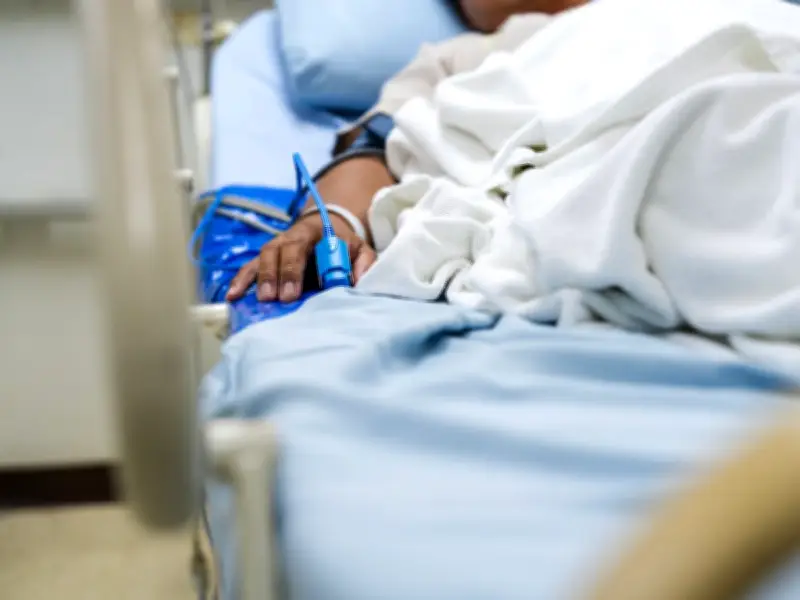
Around 30-40% of kidney transplants fail within 10 years, but a new clinic in Manchester is set to change that. The nurse-led clinic at Manchester Royal Infirmary aims to improve long-term outcomes by offering more personalised follow-up care to patients from deprived communities and other groups known to face a higher risk of transplant failure.
Personalised care for high-risk patients
While transplants from a living donor can last up to 25 years, up to 40% of kidney transplants fail within a decade, leaving patients needing dialysis or another transplant. The new clinic has been launched by Manchester University NHS Foundation Trust in partnership with healthcare company Chiesi as part of the PIONEER (Post-Transplant Initiative for Optimising Nurse-led Engagement & Empowering Recovery) project.
Evidence shows not all kidney transplant recipients experience the same outcomes. Black patients have higher rates of graft loss and delayed graft function than white patients, while people aged 14 to 23 have a 41% greater risk of transplant failure than adults in their mid-30s to early-40s. Research also suggests women may see less long-term benefit from kidney transplants than men.
Addressing health inequalities
The issue is particularly relevant in Greater Manchester, one of England's most deprived regions, where wider social and economic factors can create additional barriers to long-term care and transplant success. Traditionally, transplant patients at Manchester Royal Infirmary have been reviewed by surgeons during routine follow-up appointments. The new clinic introduces a nurse-led approach, giving patients more opportunities to discuss their experiences and receive tailored advice on medication, lifestyle and other aspects of their recovery.
Mr David Van Dellen, Consultant Transplant & General Surgeon at Manchester Centre for Transplantation, said: "Our programme recognises that surgical success is only the beginning - personalised, culturally sensitive post-transplant care is essential to helping each patient achieve the best possible outcome from their transplant. By embedding equity into every stage of the transplant pathway, we aim to ensure that a transplant in Manchester means the same chance of a healthy future for every patient, regardless of background."
Two-year project to inform future care
The PIONEER clinic is a two-year project and will run until January 2028. It will evaluate both clinical and patient-reported outcomes, and results will be used to inform future approaches to personalised post-transplant care. Shish Patel, Senior Director, Medical Affairs at Chiesi UK and Ireland, said: "A transplant can be life-changing, but it is not the end of the patient journey - and there is significant variation in the lives recipients go on to lead following a transplant. Long-term outcomes are influenced by a range of clinical and wider social factors, and more targeted, personalised approaches are essential to improving post-transplant care for transplant recipients."




