
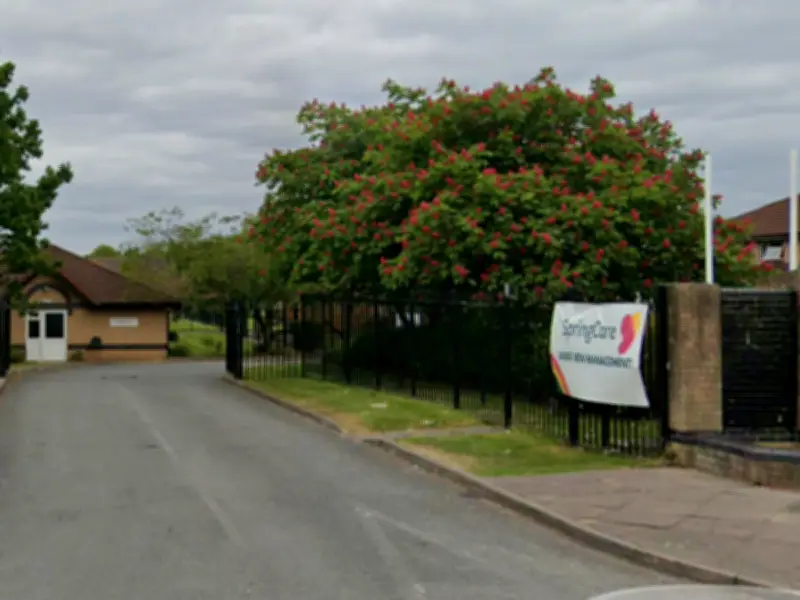
Ringway Mews Care Home in Wythenshawe has been rated 'inadequate' by the Care Quality Commission (CQC) following an inspection in May that found multiple breaches of legal regulations and significant concerns about staffing and safety.
The inspection was prompted by continued concerns about unsafe care flagged by the watchdog in June 2025. Inspectors discovered seven breaches of regulations, up from two in the previous year, covering areas such as dignity and respect, safe care and treatment, premises and equipment, and staffing.
Staffing levels a major concern
Staffing levels emerged as a key issue, raised by both relatives and staff members. One family member told the CQC that the resident-to-staff ratio 'doesn't seem safe' at times. Another added: “No, there’s not enough staff and the ones who are there are run ragged. It’s not their fault, it’s not neglect, it’s just not enough staff as dementia patients can be demanding.”
Inspectors said most staff expressed concerns about staffing levels, saying this impacted their ability to deliver timely, consistent, person-centred care. One employee said: “There is no support, we are constantly understaffed and they don’t care when the staff are doing numerous extra things each day. Every day is a dread to come into work.”
Poor practice and lack of dignity
The low staffing levels and reliance on agency staff led to concerns about care quality. Inspectors observed some dedicated staff doing their best and treating people with kindness, but this was not consistent, and they saw evidence of poor practice. They noted that staff were often too busy, and people were not always treated with dignity and respect. On the Halifax unit, all care observed was task-focused, and staff struggled to cope with demands.
Residents sat with no activities between meals, spending time alone as staff were often too busy to engage meaningfully. One employee said: “It affects our residents as we are all rushing around when the time could be used better to promote the wellbeing of our residents by having a cuppa and a natter, joining in the activities or a walk around the garden, music therapy etc..”
Specific safety risks identified
Staff did not always respond to residents' needs quickly enough, and inspectors had to intervene to ensure one person could use the toilet. The television was on too loud, and staff were unable to hear a person stating they would use the floor if not assisted soon.
Significant concerns were flagged around oral care, with people not always having toothbrushes and records often not completed. Medicine management was also an issue, with people consistently not receiving medicines at prescribed times, including time-critical medicines. Employees recorded frequent missed or refused doses without clear escalation, and the CQC ruled there was a lack of effective oversight, increasing the risk of poor health outcomes.
Care plans and safeguarding failures
Care plans were not detailed, accurate, or person-centred, lacking guidance on diabetes management, blood glucose monitoring, hypertension, and topical treatments. Some people needed thickened fluids to reduce choking risk, but records did not show consistent or correct use, putting people at risk.
Several safeguarding referrals were not made to the CQC as required, suggesting the provider did not fully understand their responsibilities. While the home scored 90% in a council infection control inspection in January, the CQC said this did not match their experience, noting premises and equipment were not clean and hygienic in two units.
Staff also raised issues with equipment, including a broken dishwasher, insufficient plates and utensils, and the home being down to just one hoist. Springcare Ltd, which runs the home, did not respond to a request for comment.




