More than 150 of the UK's leading front-line doctors have warned that patients are already dying unnecessarily every week, and they fear a 'perfect storm' as Emergency Departments (EDs) face a 'terrible winter'.
A survey of 163 ED clinical leads – the doctors in charge of most A&E departments in the country – found that 91 per cent are either 'very' or 'extremely' concerned about the pressure their departments will experience during the winter months. Sick patients are currently stuck in corridors and on chairs for "hours upon hours", according to the Royal College of Emergency Medicine (RCEM), which organised the research.
Survey reveals widespread concern
Only 3 per cent of those quizzed said they were 'well prepared' for the cold months. More than nine in 10 (92%) of survey respondents described current ED pressure as 'high' or 'very high', while 88% said they were under greater strain now than last year. Around two thirds said their ED was unsafe.
Dr Ian Higginson, RCEM President, said: "Overcrowding, corridor care, the impending surge of demand from winter, and lack of meaningful preparations, are creating perfect conditions for a terrible winter. Colleagues from across the four nations have been crystal clear: we are not managing now and we simply are not ready for winter."
Government investment 'won't cut it'
The NHS was recently handed a £140 million boost to urgent care to help ease winter pressures. The investment will go to 14 new urgent care schemes across England, including new urgent treatment centres (UTCs) and same day emergency care services (SDECs), new ambulance fleets, and emergency department upgrades. Last weekend, the Department of Health and Social Care announced £150m for 14 new urgent care schemes across England.
RCEM welcomed this investment into Urgent and Emergency Care but maintains that money is still not being spent in the right places. The current plans, including what was announced last weekend, "won't cut it", the college said.
RCEM calls for immediate action
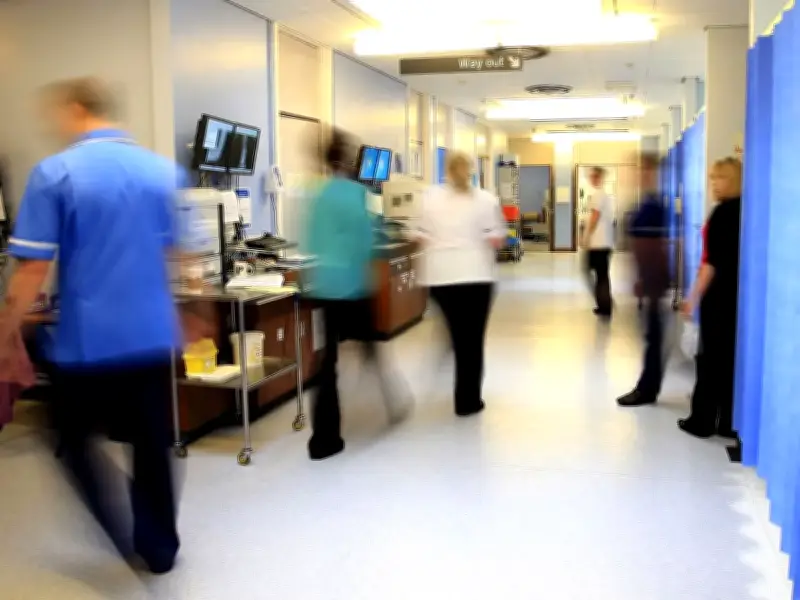
Dr Higginson said: "We have patients scattered all over our departments, many stuck in trolleys or on chairs for hours upon hours. The sickest and most injured among them can't get into a hospital bed and end up staying with us, sometimes for days. It's a disgraceful state of affairs and I cannot believe it has been allowed to get this bad. Patients are dying unnecessarily every week whilst politicians continue to focus on the wrong solutions."
RCEM is calling for better staffed departments with bolstered bed capacity, and "for investment in the things that enable patients to be discharged quickly." The college said: "It takes political will to make overcrowding a priority, along with leadership within hospitals for this problem to be owned beyond the walls of our hammered departments."
The survey ran from September 30th until October 2nd. Of the 119 respondents based in England, 89% described current pressure as 'high' or 'very high'. Around two-thirds (65%) said EDs are under more pressure now than a year ago, 97% said their ED was not well prepared for winter, and 60% described their EDs as actively unsafe.
An NHS spokesperson said: "There is no doubt this winter is going to be tough, with flu cases in hospital already higher than normal following the busiest summer on record for the NHS, leaving staff with little respite. But our winter planning is stronger than ever, with all trust plans completed and stress-tested by the end of September and flu vaccination bookings opened earliest ever, and we urge everyone eligible for a flu or other winter vaccination to get vaccinated as soon as possible to protect themselves and their loved ones this winter."
A Department of Health and Social Care spokesperson said: "We know that winter will be more challenging for the NHS this year, after a summer of record pressures. That’s why we have been preparing for those challenges for months, including opening 25 new and upgraded urgent and emergency care units in time for winter, helping more patients get the right care and easing pressure on busy services. The Secretary of State has also tasked the NHS with accelerating plans to end corridor care, particularly for children, and for the first winter ever the NHS is publishing corridor care data to shine a light on where pressures are greatest and drive action where it is needed most. On top of this, we are expanding access to the flu vaccine and improving GP access through evening, weekend and out-of-hours appointments to reduce pressure on A&Es."