
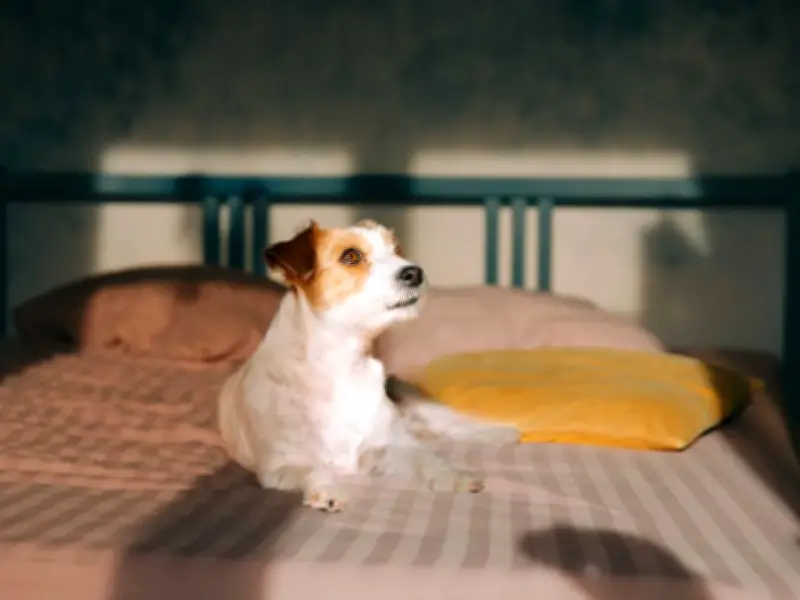
Vets Now has reported a 52% year-on-year increase in heatstroke incidents in June and a 36% surge in July, with vets noting a rising number of cases involving pets that stayed indoors. Even as the heatwave breaks, humid and muggy conditions can still pose a threat to pets inside the home.
Indoor spaces overlooked as heat risk
Sadie Spencer, Principal Vet at Vets Now, said: "We're already seeing the impact of this summer's heat in the cases coming through our doors, and even as this heatwave breaks, humid and muggy conditions can still catch pets out indoors - we'd urge every owner to take it seriously now rather than waiting for the warning signs."
She added: "People are very good at remembering not to leave a dog in a car, but far less alert to the fact that a conservatory, a caravan or a stuffy upstairs bedroom can reach car-like temperatures in the middle of the afternoon - and a pet left there has nowhere to go and no idea it needs to move."
Five dangerous rooms for pets
- Conservatories and garden rooms – glass traps heat like a greenhouse, and temperatures can climb well above outdoor levels within the hour.
- Caravans and cars used as extra sleeping space – small, enclosed and quick to heat up, even with an open window.
- South- or west-facing bedrooms – especially under a hot roof, these can stay warm long after the sun has moved.
- Kitchens and utility rooms – often where pets are left with water down, but also where appliances add to the heat.
- Upstairs landings and attic conversions – heat rises, and these are often the last rooms owners think to check.
Signs of heatstroke in pets
Sadie elaborated: "Heatstroke can come on frighteningly fast - a pet can go from happily settled to a life-threatening emergency in a matter of minutes. The tricky thing with UK weather is how quickly it turns; pets need time to acclimatise to heat, so a sudden warm spell can catch a lot of owners out, indoors as much as out."
Key warning signs include heavy panting or drooling, vomiting or diarrhoea, unsteady legs, glassy eyes, a racing heart, and excessive thirst. Flat-faced breeds including Bulldogs, Pugs and Shih Tzus are particularly at risk, alongside overweight animals, elderly pets, those with pre-existing medical conditions and breeds with thick double coats.
If a pet shows symptoms of heatstroke, owners should relocate them to a cool, shaded area and begin cooling them with cold water immediately, without waiting until arriving at the veterinary surgery. Owners should provide small amounts of water if the pet is alert and capable of drinking, and contact their veterinary practice immediately.
"Don't wait to see if they improve," Sadie said. "Start cooling them down and call the vet on the way. The sooner treatment begins, the better their chances. If you're ever unsure, get in touch with your vet."




