
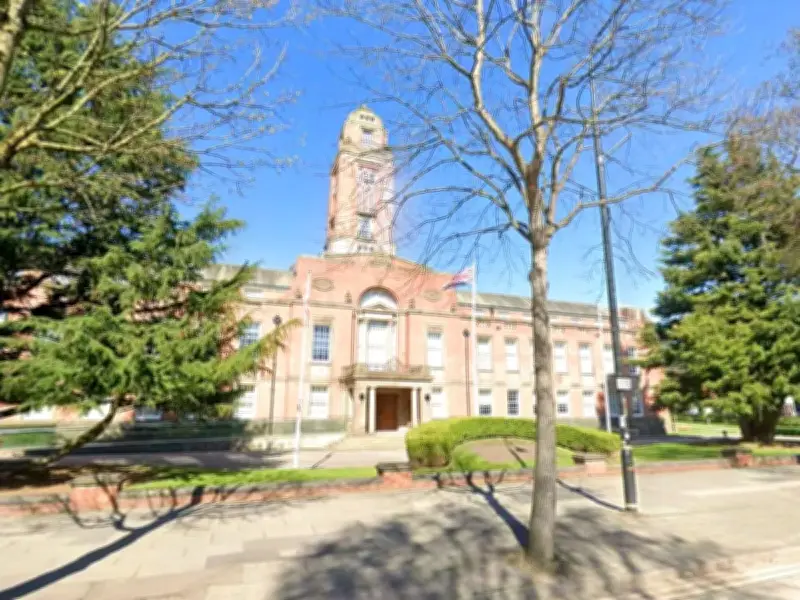
Adult social care services at Trafford council need to improve, inspectors have ruled. The Care Quality Commission (CQC) found long waits, low satisfaction, and ineffective sharing of safeguarding lessons. However, the healthcare watchdog noted improvements were being made in the department, with leaders aware of the areas they need to address.
CQC rates Trafford adult social care 'requires improvement'
Adult Social Care at the town hall was rated 'requires improvement', the second lowest of four possible ratings. Leaders say they accept the findings and know there is more to do. Further measures have been introduced since the inspection, including improved access to support and efforts to reduce occupational therapy waiting lists, the council added.
The outcome follows a highly critical report by Ofsted on the authority's children's services earlier this month, which saw them rated 'inadequate'. Education inspectors found delays that left children in 'potentially unsafe' situations and ineffective leadership, with the report labelled 'devastating' by opposition groups.
Long waits and low satisfaction in adult social care
Just 58% of those using Trafford's adult social care services were 'satisfied' with their care, compared to the England average of 65%, the CQC said. The CQC detailed 'long waits' in various service areas following its adult social care inspection, including for care act assessments and care reviews.
In October, there were 115 people waiting for assessments and 513 for reviews. For the former, the median wait was 20 days, with the longest 268 days. Six people had waited more than six months. The number of people waiting had reduced to 88 in December. For the latter, the median wait was 181 days, with the longest wait at 853 days. The highest number of overdue reviews was in the learning disability team, with 143 people waiting at that time.
Further delays were identified in the occupational therapy team, with the CQC saying this 'undermined timely prevention and safety' as people had to wait to access equipment or for minor home adaptations. The report said the delays were due to 'capacity issues' linked to 'staff shortages' and 'sickness', leaving teams unable to answer some calls. In December, 455 people were waiting for an occupational therapy assessment, with the average wait at 21.5 weeks. Five people had waited longer than a year. Waits for major adaptations via disability grants were 'prolonged' – often over 12 months.
Concerns over transitions, carers, and safeguarding
Further criticism was levelled at transition pathways for young people moving into adult services, and for the support offered to carers. Transitions from children's services into the department were 'not seamless', with inconsistent pathways and delays, the CQC said. Families were 'often unclear' on what to expect and 'worried about their future'. Staff and leaders acknowledged that improvements were needed.
Carers had to rely on family members to allow them to take breaks, as respite was 'difficult to access'. Financial processes for carers were also described as 'lengthy and complex', with 'unclear thresholds' and difficulties obtaining advice on the phone. Just 26% of carers were satisfied with the department, compared to an England average of 37%.
The watchdog flagged additional concerns with safeguarding handling. While concerns were dealt with in a 'timely manner', some providers said they did not receive subsequent feedback from the authority to help them learn from the incidents. Partners said they had to 'chase outcomes which were not forthcoming or timely', leaving them 'uncertain how to manage risks going forward'. When updates were received, these were 'usually limited', resulting in 'inadequate understanding and delayed coordinated action to reduce risks'. The council told inspectors they had 'identified inconsistencies' and these were being addressed.
Placement and capacity challenges
Some care providers also reported issues with placements for new residents. In some cases, they accepted emergency placements after completing 'thorough assessments' only to be told they would not be receiving payments because the 'proper contracts were not in place', the CQC said. The absence of these contracts impacted their ability to plan and deliver care effectively and created 'financial uncertainty and frustration', they told inspectors.
Further capacity challenges were evidenced through the number of people placed 'out of area', the inspection team said. Some 291 people were in non-local settings in November 2025, with 186 of those placements made in the preceding 12 months. The council said, in 'most instances', these people had 'specialist and bespoke' needs. Additionally, some of those placements had reviews waiting since May 2022, meaning they had not been seen for around four years.
The CQC did recognise that improvements were underway at the council, however, acknowledging that waiting times were reducing and people were accessing care and support more quickly. The council has a 'senior leadership team who had the vision and passion to improve services for the people of Trafford', the report added. 'Clear improvements' have been made since January 2025 when a new interim director was appointed for the service, it continued.
The watchdog also referenced the authority's Improving Lives Every Day strategy repeatedly through the report, saying this focused on driving up performance in six priority areas. However, inspectors judged this was 'still in the delivery phases' at the time of the assessment, and there was 'still work to do to show outcomes'.
The council said it has 'made progress over the past 18 months' but is 'clear that it is not yet where it wants or needs to be and remains committed to delivering further improvements'. Jane Slater, the council's executive member for healthy and independent lives, said: "We welcome the clarity provided by this assessment and recognise the areas where further improvement is needed. We have already seen considerable progress over the past year, but we know there is more to do."
"We have listened and learned from the feedback received, working closely with the Local Government Association and Partners in Care and Health to strengthen our services. Our improvement plan is now being embedded across Adult Social Care, supported by new senior leadership arrangements, better staff morale and higher resident satisfaction. The report acknowledges the changes made through our improvement programme, including strengthened governance and oversight. Work is already underway to address the areas identified and our focus remains on providing safe, timely and effective care, and delivering lasting improvement for Trafford residents and carers."
Council leader Tom Ross added: "We accept the findings of this assessment and are clear that improvement is required in some areas of Adult Social Care. At the same time, it is important to recognise that this report reflects a service undergoing significant change, with much of the inspection activity taking place while improvements were already underway through our Improving Lives Every Day programme."
"The report recognises that Trafford council was fostering a positive culture of continuous learning and improvement, working with partners to give people the best possible experience of accessing services. The report also acknowledged that leaders were aware of many of the challenges highlighted during the assessment and had plans and strategies in place to address them. We are encouraged that the Care Quality Commission also recognised the progress made since the appointment of our Interim Director of Adult Social Care. Since then, we have continued to make progress, reducing waiting times, strengthening support for residents and improving how services are delivered."
"We know where further improvement is needed, but we also recognise the strengths identified by the CQC that provide a strong foundation for the next phase of our improvement journey. We have confidence in the team driving this work and a clear improvement plan to ensure residents receive safe, timely and effective support. We will continue to be open about our progress and focused on delivering lasting improvements so that residents and carers feel supported, listened to and able to live well and independently."




