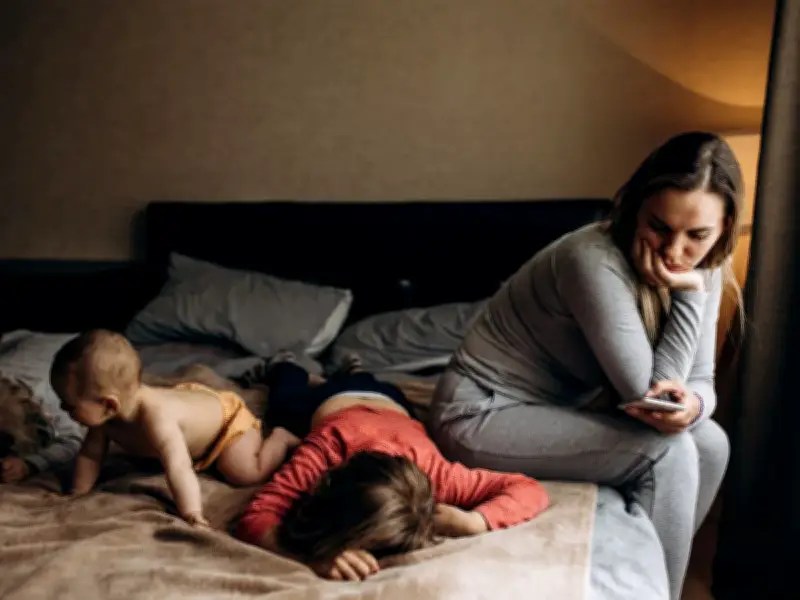
Parents are being advised to gradually adjust their children's bedtimes in the run-up to the clocks going back on Sunday, October 25, to help make the transition smoother, according to a sleep expert.
The clocks will go back an hour at 2am on Sunday, October 25, returning the UK to Greenwich Mean Time (GMT). The practice was first introduced in 1916 to save resources during World War 1 and has been maintained since to provide lighter mornings and darker evenings through autumn and winter.
Although the change is only a 60-minute adjustment, it can prove troublesome for parents of young children, taking an emotional toll on families and leaving them feeling exhausted and overwhelmed. Many people search online forums such as Reddit for advice on dealing with kids when the clocks go back, but expert guidance is important.
Expert advice on adjusting bedtimes
Working with M&S, sleep expert Andrea Grace suggests putting children to bed around 10 minutes later each night to help their body clock adapt gradually, minimising disruption to their sleep routine when the clocks go back. Andrea has more than 25 years of professional experience in the field of sleep.
Analysis of UK Google search data shows that while searches for 'kids bedtime' remain consistently high throughout the year, they spike around disruptions to routine such as school holidays. The highest spike in searches in the past 12 months was between late December and early January, when 9,000 searches were recorded.
Why sleep is important for children
Sleep is closely tied to children's health and long-term development, as Andrea explains: "A good night's sleep is crucial for children's development." Quality sleep supports a wide range of important functions, including cognitive performance, brain development, emotional wellbeing, immune function, healthy eating habits and creativity. It also plays a key role in concentration, decision-making and problem-solving skills.
Andrea continues: "As the seasons change, so do children's sleep patterns. During the winter months, darker mornings and shorter daylight hours, combined with increased exposure to artificial light in the evenings, can disrupt the natural light signals that help regulate melatonin, the hormone responsible for sleep. This can affect the timing and quality of children's sleep, making it more difficult for them to settle at bedtime."
Winter also tends to bring more coughs, colds and other illnesses, which can temporarily disrupt sleep. On the other hand, the lighter evenings of spring and summer can make it harder for some children to settle at their usual bedtime. So, there is not necessarily one season that is better for children's sleep, as each brings its own challenges.
Best sleeping conditions and golden rules
Andrea has revealed the best sleeping conditions for children:
- A clutter-free room can help children relax and create the right environment for sleep. Tidying toys away can also become part of the bedtime routine, serving as a simple ritual that signals playtime is over and it's time to wind down.
- Keeping the bedroom cool - around 16-20°C and as dark as possible is the most ideal. If a child needs a night light for reassurance, opt for a very dim red light. It's also a good idea to remove or cover unnecessary lights from electronic devices.
- Bedding also plays a role in temperature regulation, so it's worth choosing bedding that suits both the room temperature and the season. Breathable fabrics, such as cotton, are best for comfort and temperature regulation. Bedding and pyjamas should feel comfortable and cosy but not make a child too hot. For babies, always follow sleep guidance and use appropriate bedding or a correctly fitted baby sleep bag rather than loose or bulky bedding.
- White noise can be helpful for babies and younger children, particularly if there are other noises around the house that might disturb them.
Andrea explains the five golden rules that parents can follow to help their child to sleep:
- Familiar bedtime routine: "A repeated series of steps leading up to bedtime helps children mentally and physically prepare for sleep. A consistent routine can help them feel sleepy, secure and ready for bed."
- Loving boundaries: "Children feel secure when they know what is expected at bedtime and their parents respond calmly and consistently."
- Choosing the right timings means not putting a child to bed too late or too early. Too late and they can become overtired and find it harder to settle. Too early and they may not have enough sleep pressure to fall asleep. Naps also need to be taken into account at any age - including after-school naps in older children and teenagers - as a late or lengthy nap can make it much harder to fall asleep at bedtime.
- Positive sleep associations could be a favourite teddy, dummy, bedtime phrase or story. For older children and teenagers, it could be reading a book, having a warm bath or another relaxing bedtime ritual.
- A good sleep environment: "Creating a safe, comfortable, cool, dark and quiet bedroom helps support good sleep for children."
How much sleep children need by age
The amount of sleep a child needs can vary depending on age. Guidelines from the NHS Best Start in Life show how much sleep children generally need over a 24-hour period:
- 1–2 years: around 12–15 hours
- 2–3 years: around 12–14 hours
- 3–5 years: around 10–13 hours
- 6–12 years: around 9–12 hours
- 13–18 years: around 8–10 hours
Babies' sleep needs vary considerably, particularly in the first year, and with toddlers, the sleep averages include naps.