
More than 500 mothers and babies suffered potentially avoidable harm or died at an NHS trust with a 'toxic' culture, the largest maternity review in NHS history has found. The inquiry examined over 2,500 cases at Nottingham University Hospitals NHS Trust (NUH) between 2012 and 2025, uncovering 'deeply embedded systemic failures' and a 'bullying and toxic culture'. At least 156 baby deaths and six maternal deaths might have been avoided with better care, including 94 stillbirths.
Families Speak Out: 'If You'd Listened, Babies Might Still Be Alive'
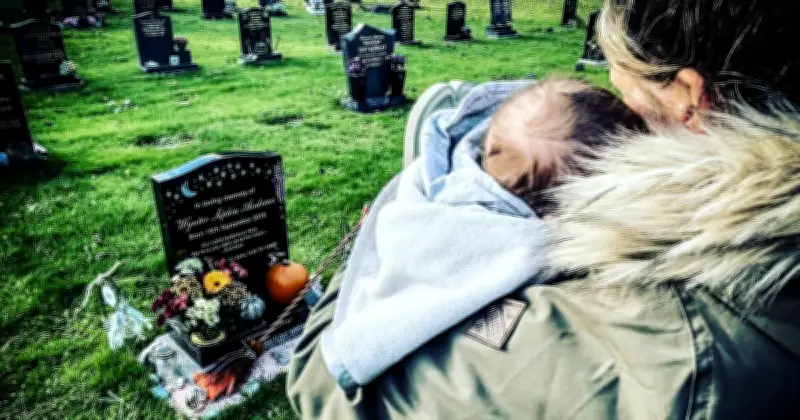
Gary Andrews, whose daughter Wynter died 23 minutes after emergency caesarean in 2019, said a clinician told him 'if we listened to every mother's concerns, we'd be overrun'. He responded: 'If you'd listened to every mother's concerns, there would be hundreds of mothers, babies, still alive.' Jack Hawkins, whose daughter Harriet was stillborn in 2016, said: 'After a relentless 10-year campaign, we learn the true scale of the maternity scandal. The report's findings must be implemented in full. Anything less would be a betrayal.'
Systemic Failures and Cruel Treatment
The 381-page report, led by senior midwife Donna Ockenden, detailed failures in monitoring babies, women told to stay home too long in labour, failure to recognise distress, and failure to escalate cases. Some families faced cruelty: one mother was told 'We don't do caesarean sections for grandmother's distress' – her baby Sebastian died. Another case saw an early gestation baby disposed of as clinical waste, and a grieving family unexpectedly received graphic post-mortem photos.
Staff Culture and Leadership Failures
The review heard from 800 current and former NUH staff, with 40% reporting bullying by managers. A 'small minority of powerful leaders had been allowed to infect the unit', and incidents were 'brushed under the carpet' as the trust prioritised reputation over safety. Professional regulators also allowed harm to continue, Ockenden said.
National Implications and Government Response
Ockenden warned England is not on track to meet a 2015 pledge to halve maternal deaths and stillbirths by 2030; stillbirths remain above pre-Covid levels and maternal deaths are at a 20-year high. She noted: 'Clinical negligence costs the NHS almost as much as it spends on maternity care.' The report made eight recommendations, including ensuring women are listened to, safe staffing, and consistent incident reporting. The Government announced expansion of Martha's Rule to allow 24/7 second opinions in maternity settings. Health Secretary James Murray said 'no options are off the table' for a public inquiry, adding: 'Too many voices went unheard, too many opportunities to prevent harm were missed.'
Families Demand Accountability
Jane Williams, a clinical negligence solicitor representing 12 families, said: 'This report is a devastating vindication. Families never expected to spend years searching for answers. Opportunities were missed to recognise risks and intervene. The burden must now shift to those in power to deliver accountability.' Ockenden concluded: 'Safe maternity care is not complicated – competence, honesty, timeliness, safety, dignity and kindness are the irreducible minimum. We owe it to every mother and baby to ensure these failures are never repeated.'




