
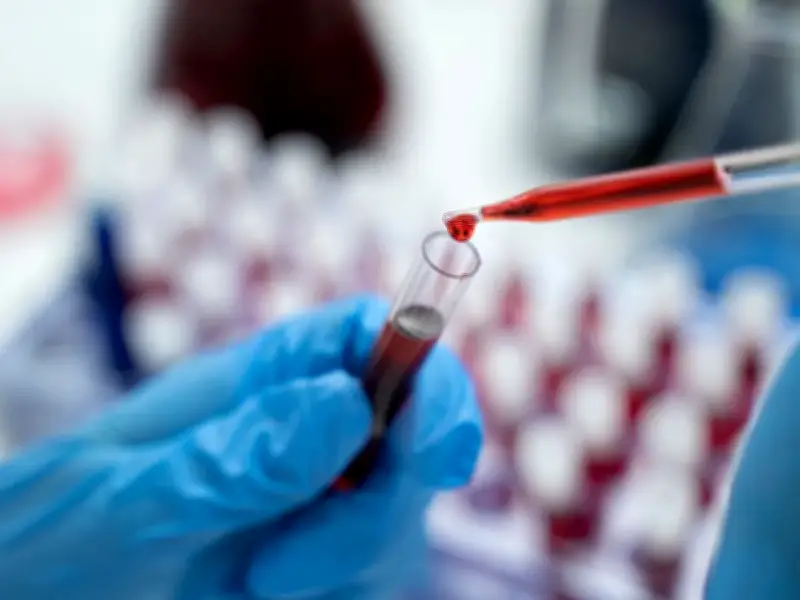
British men over 50 will be stripped of their right to free blood tests that help detect prostate cancer under new government plans.
Prostate cancer is the most common cancer in men in the UK, with around 63,000 diagnoses and 12,000 deaths annually. Until now, any man over the age of 50 without symptoms has been entitled to a free prostate-specific antigen (PSA) test via their GP. But new guidance removes that right, instead GPs will now decide whether testing is appropriate.
Charity condemns 'shocking betrayal'
The new decision, made by Department of Health and Social Care (DHSC) officials without public consultation, has been branded a "shocking betrayal and backward step” by David James, director of patient projects and influencing at charity Prostate Cancer Research.
Demand for PSA tests has risen following several high-profile celebrities, like Jeremy Clarkson, going public with prostate cancer diagnoses. Former Prime Minister David Cameron also revealed he was treated for prostate cancer, after being diagnosed via a PSA test.
Cameron urges targeted screening
Lord Cameron told The Telegraph: "This is yet another step backwards and once again shows why we need simple, proper targeted screening for all at-risk men. Screening is essential to catch cancers early, when they can be more effectively and successfully treated. Only due to testing, my cancer was caught and treated in time.
"I urge the new Prime Minister and Health Secretary to be brave and bold. Stop the complexity and confusion and introduce a more progressive and life-saving policy: a proper, targeted screening programme that involves all those at higher risk. Without it, more men will die, and more families will lose a loved one. Heed the warnings, this is avoidable and can be done.”
DHSC guidance to GPs
A DHSC letter sent to health organisations on Thursday states: "If a patient is worried about prostate cancer, then they can ask their GP about having a PSA test.
"As the health professional, the GP will consider the patient’s cancer risk to help with reaching a judgment on whether undertaking a PSA test is the right option for the patient, whilst clearly laying out to the patient the pros and cons associated with doing so.”
The DHSC letter says there is no change to the policy for men with possible symptoms, who should continue to be referred for PSA testing. A spokesman for the department said the final decision had always been intended to lie with the GP, saying: "Every man still has the right to ask their GP for a PSA test, and it remains the case that the final decision rests with GPs. All this letter does is tell GPs and others where to find the most up-to-date guidance.”
Symptoms of prostate cancer
According to the NHS, prostate cancer typically doesn't produce symptoms until the growth becomes large enough to press against the urethra - the tube carrying urine from the bladder through the penis. It can cause changes to the way you pee, such as:
- finding it difficult to start peeing or straining to pee
- having a weak flow of urine
- "stop start" peeing
- needing to pee urgently or often, or both
- feeling like you still need to pee when you've just finished
- peeing during the night
Other symptoms can include:
- erectile dysfunction (being unable to get or keep an erection)
- blood in your urine or blood in your semen
- lower back pain and losing weight without trying to (these may be symptoms of advanced prostate cancer)




