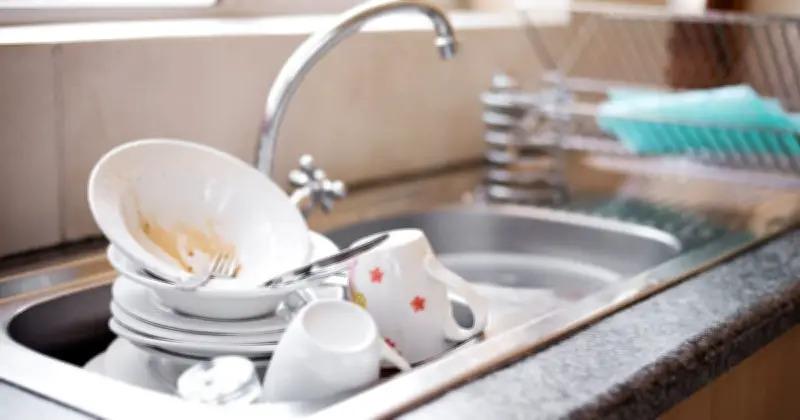
A health visitor has revealed what she really notices when she walks into the home of a new family, reassuring parents that she is not checking whether they have done the washing or cleaned the dishes.
Health visitors work with families with children aged between birth and five, offering advice and support on areas including feeding, development, vaccinations and safe sleeping. They can visit families in their homes as well as running clinics and groups. A first meeting with a health visitor can take place just days after a mother and baby return home from hospital, with a new baby review usually carried out between 10 and 14 days after birth.
What she really notices
Holly, a health visitor with more than a decade of experience, has explained what goes through her mind when she enters the home of a new family, OK Magazine reported. She said parents should not feel the need to panic-clean before a visit, explaining that an untidy home is not what she is there to assess.
"Things your health visitor probably notices in your home, but probably won't mention," she said. "Before you panic clean your house before we arrive, I am not talking about the washing pile, or the sofa, or the dishes that you haven't done yet."
Instead, Holly said she naturally takes in the "bigger picture" while talking to parents and observing how they and their baby are doing. "When I come into your home as a health visitor, I'm naturally taking in the bigger picture while we're talking. How are you doing? How does your baby seem? How are you interacting together?" she explained.
Advice and support
The health visitor said she may also consider whether there are areas where parents could benefit from additional advice or support. "Is there anything about feeding, development, or your emotional well-being that you might need some extra support with?" she said.
She added that the home environment can sometimes provide an opportunity to discuss practical issues relating to a baby's wellbeing. "For example, like where your baby is sleeping, if you've got questions about making their sleep space safer, or something that you bought for your baby that we can give you current guidance around," Holly said.
She stressed that noticing something in a family's home does not automatically mean the parents are being judged. "Noticing something doesn't automatically mean that we are judging," she said. "Sometimes we're noticing because it's literally our job to look at the whole picture and work out whether there's information or support that we might find useful for you."
Parents' reactions
Her message was particularly aimed at parents who might spend hours cleaning before a health visitor arrives. "Trust me, your unfolded washing is very unlikely to be the most interesting thing that happens in my working day," Holly said. "So please don't spend two hours panic cleaning because your health visitor is coming over. I'd much rather make yourself a cup of tea and actually tell me how you're doing."
Parents responding to Holly's comments shared their own experiences of visits from health visitors. One person joked that their home had been unusually tidy during a visit because the health visitor arrived before their toddler had woken up. "Mine said my house was too clean, I said that’s because it’s 8:30 am and my toddler doesn’t wake up until 9am the chaos is coming you’re just early to the viewing," they said.
Another parent recalled worrying about the state of their kitchen while their home was undergoing renovations following the arrival of their baby. "I remember stressing that out kitchen was practically ripped out when baby was born due to renovations, no one ever questioned it," they said.