
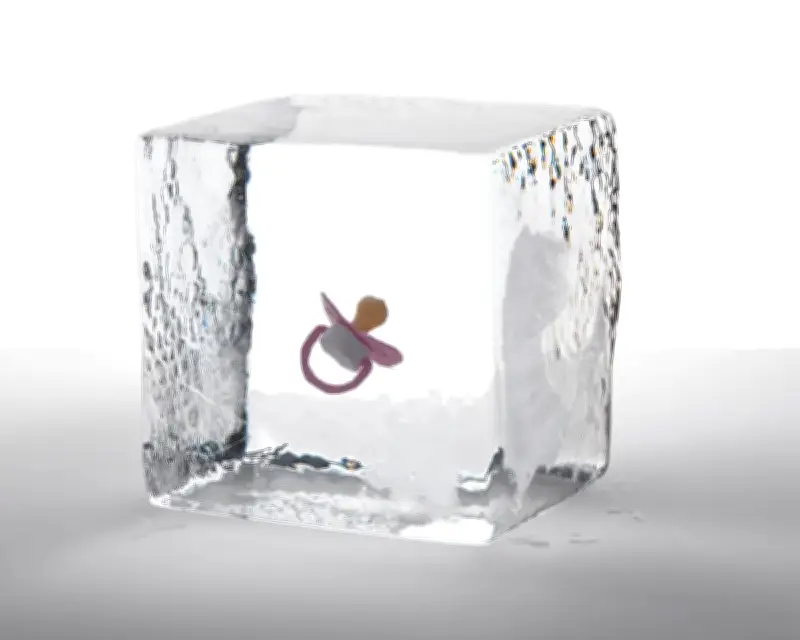
Much is made of the decision to try to preserve fertility through egg freezing, but less explored are the choices that come afterwards. We want to hear from people about what happened next.
What we know about egg freezing
Oocyte cryopreservation, more commonly known as egg freezing, has been around for decades, but the procedure stopped being considered experimental in 2012. Since then, elective egg freezing has boomed.
Often represented as an insurance policy against age- or illness-related fertility decline, the process can be costly and complex. While figures vary, research suggests most people who undergo egg freezing never access their eggs, and results are mixed for those who do. Long-term storage poses its own costs and questions.
We want to hear your story
We want to hear from people who froze their eggs five, 10 or even 15 years ago about what happened next. Did the “insurance” buy you peace of mind? What happened after you did decide to use your eggs; and, if you decided not to, what decisions did you make about their disposal?
Please tell us using the form below. A journalist will contact you before any responses are published. You can share your response using this form. Please share your story if you are 18 or over, anonymously if you wish. For more information please see our terms of service and privacy policy.
How your responses will be handled
Your responses, which can be anonymous, are secure as the form is encrypted and only the Guardian has access to your contributions. We will only use the data you provide us for the purpose of the feature and we will delete any personal data when we no longer require it for this purpose. For alternative ways to get in touch securely please see our tips guide.
If you’re having trouble using the form click here. Read terms of service here and privacy policy here.




