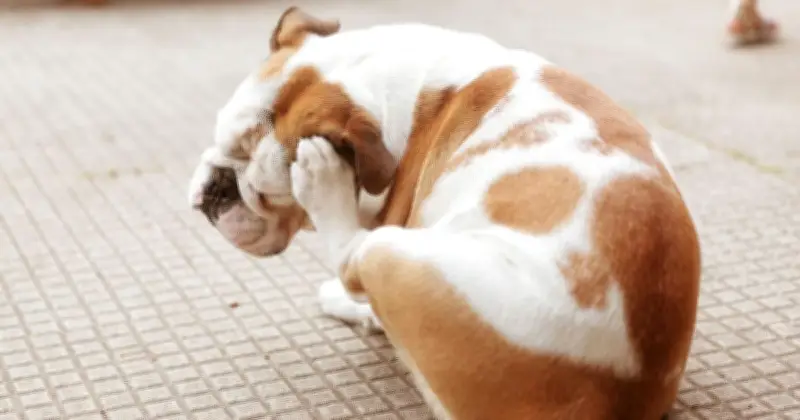
Dog owners are being urged to step up tick checks after walks, following a fresh reminder from the RSPCA about the dangers of the blood-sucking parasites. The charity says ticks can attach to pets unnoticed and may be difficult to spot once they are in place.
The RSPCA warns that a tick can look like a small bump on the skin, sometimes reddish-brown, grey or black. Owners are being advised to familiarise themselves with what to look for and to check their pets regularly.
Expert: routine checks miss key areas
Animal health expert Scott Cieslar says a quick run of the hands over a dog’s coat won’t always find them. He believes certain parts of the body are easy to miss because they are not fully visible during routine checks.

One of the most commonly overlooked spots is the webbing between a dog’s toes. Cieslar says this area can "disappear" when the dog is standing normally and putting weight through its paw.
He said: "The mistake is checking the paw while the dog is standing on it. When the foot is bearing weight, the toes sit together and the webbing disappears from view."
How to check properly
Cieslar advises lifting the paw so it relaxes, then separating each pair of toes to inspect the webbing and the edges around every pad. For long-haired dogs, he suggests holding the toes apart with one hand while moving fur aside with the other to get a clear view.
He also recommends doing checks before wiping muddy paws, brushing, or washing the dog. That way, the fur sits naturally and you can use your fingertips to gently part the coat and feel for small raised areas.
A phone torch can make a difference, particularly on thick or dark coats. Cieslar says shining the light from the side, rather than directly onto the skin, can make lumps and bumps stand out more clearly.
Full inspection advised
The RSPCA says the search shouldn’t end at the feet. Ticks may also turn up in sheltered places such as beneath collars, under the front legs, inside the ears and between the toes.
Cieslar recommends removing collars and harnesses completely instead of just slipping fingers underneath. He also suggests comparing both sides of the body, as checking the same area on the opposite side can make anything unusual easier to spot.
Even if you find one suspected tick, he advises finishing the full inspection. That means checking all four paws and then moving on to ears, legs and the areas normally covered by a collar or harness.
Removal and prevention
If a tick is found, the RSPCA advises using a proper tick-removal tool. The charity warns owners not to squeeze the parasite, burn it, or attempt to smother it with lotions.
Owners are also encouraged to speak to a vet about suitable preventative treatments, while continuing physical checks after time outdoors. Ticks can transmit diseases including Lyme disease, and the RSPCA says pets can pick them up all year round, though they are most common from spring to autumn.