
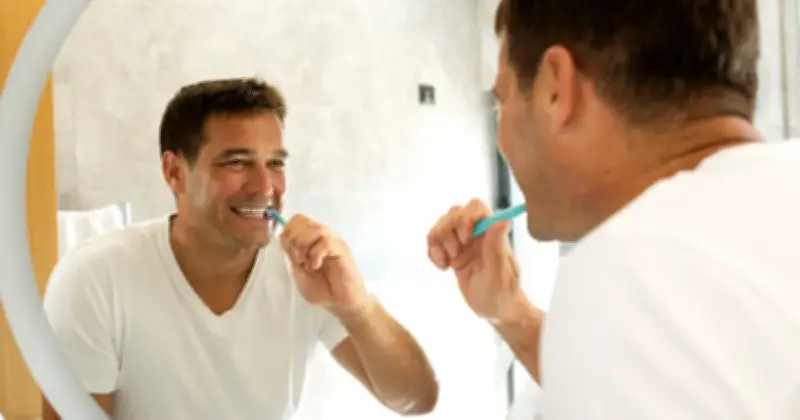
Four dentists unanimously recommend brushing your teeth before eating rather than after, warning that brushing too soon after a meal can damage enamel. The advice comes as many people remain unsure whether to brush before or after breakfast.
Why brushing after eating can harm enamel
Dr Deepa Chopra from White Dental said brushing after eating, especially after acidic foods or drinks, can weaken and wear down enamel. She explained: "Brushing your teeth straight after eating can be harmful, especially if you have had acidic foods like fruit or fruit juice. These soften the enamel temporarily, and brushing at that point can cause it to wear away more easily."
Acidic foods and drinks, including orange juice, coffee and even some cereals, can lower the pH in the mouth, leaving teeth more vulnerable for a short period after eating. Dr Chopra added: "Your enamel needs time to recover after exposure to acid. If you brush immediately, you are effectively brushing softened enamel, which over time can lead to sensitivity and erosion."
Brushing before eating is the safer option
Instead, Dr Chopra recommends brushing before eating. She said: "Brushing before eating helps to remove plaque and bacteria that build up overnight. It also creates a protective layer of fluoride on the teeth before you eat."
Madelyne Salo, a dentist and owner of Select Dental, agrees. She explained: "I generally recommend brushing before breakfast. Plaque and bacteria collect in the mouth overnight, so brushing after waking removes that build-up and leaves fluoride on the teeth before food and drinks arrive."
Salo added that you can still brush after breakfast if you prefer, but you should wait around 30 minutes. She said: "Orange juice, citrus fruit and coffee can temporarily soften the tooth surface. Waiting around 30 minutes gives saliva time to reduce the acidity before brushing."
Waiting period and fluoride advice
Dr Henry Hackney, head clinician for DentaVacation, also stressed the importance of a grace period. He explained: "After eating, I don't recommend reaching for your toothbrush immediately, especially if you've had fruit, juice, or other acidic foods. Wait 30–60 minutes, allowing saliva to neutralise acids and begin remineralising enamel."
Dr Jas Sagoo of Perfect Smile Spa said: "I often get patients asking me if it’s wise to brush their teeth after eating, and my answer is ‘no’." He added: "Brushing too soon after eating or drinking something can damage the already-weakened enamel. Instead, you should wait between 30 and 60 minutes to allow your mouth to return to its natural pH level. You should also rinse your mouth with water to banish those lingering acids and any leftover food particles."
Regardless of timing, all dentists stress brushing twice a day with fluoride toothpaste. Salo noted: "The night-time clean is especially important because there should be no food left around the teeth while we sleep. Brush the outer, inner and chewing surfaces, and use gentle pressure around the gumline. Hard scrubbing does not produce cleaner teeth and may irritate the gums."




