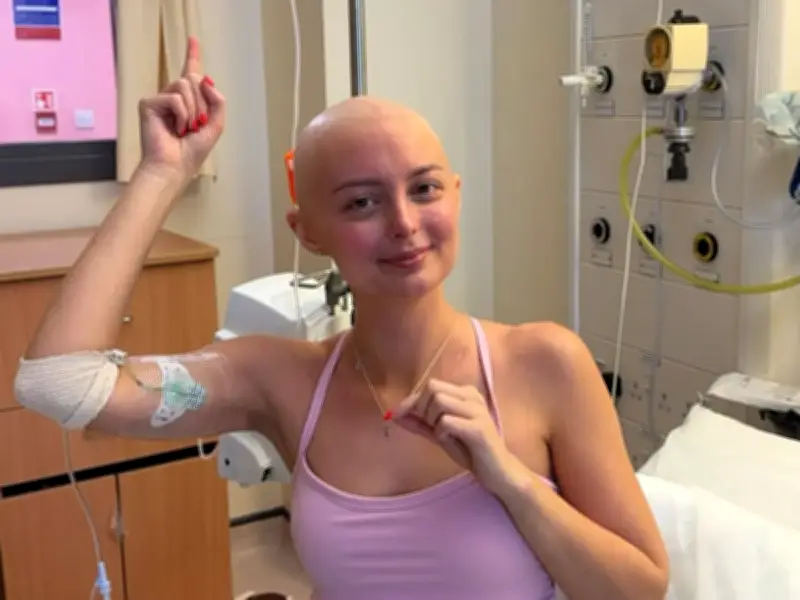
Erin Lavery, a 23-year-old nail technician from Cambuslang, beat Stage 3 Hodgkin's lymphoma but now faces a race against time and an £8,000 bill for fertility treatment if she is to have a chance of having a baby in the future.
Diagnosis and treatment
Erin was diagnosed with Stage 3 Hodgkin's lymphoma in August 2024. She underwent six months of chemotherapy and 18 sessions of radiotherapy before she was cancer-free. A year after completing treatment, tests confirmed that her fertility has been "heavily affected".
Erin did not get the chance to preserve her eggs before starting treatment. Now cancer-free, a specialist has told her she needs to do this immediately if she wants to have kids in the coming years.

Financial burden
The NHS won't fund the egg retrieval because Erin has undergone cancer treatment. The nail technician missed two years of work during her treatment and will now have to cover the significant cost of the procedure. She will need to undergo two egg retrieval cycles to get the correct amount of eggs.
She told BBC Radio Scotland: "It's between me having kids or not. It has to happen now. I've always wanted kids, but it's something you think will happen naturally in the future. It's been a massive shock and has put me under huge stress."
She added: "It's frustrating. It's coming with a huge financial burden. To be hit with a cost like this - after being off work - wasn't even on my radar."
Campaign for change
Erin is campaigning for NHS egg preservation to be more readily available for those who have come through their treatment. One of the most significant side-effects of cancer treatments can be reduced fertility. The main treatments - chemotherapy, radiotherapy, surgery, hormonal therapy and targeted therapy - can affect fertility in different ways.
In many situations the NHS may provide egg freezing and storage for free, but it can typically take up to three weeks. If cancer treatment needs to begin immediately there may not be enough time to complete this process. Depending on how their fertility is affected, women may still be able to preserve their eggs after recovering from cancer.
The Scottish Government says it is sympathetic to Erin's campaign and will shortly outline a review of fertility services. Public health minister Maree Todd said: "Guidance on fertility preservation has been developed by clinical experts and makes clear that special consideration by health boards should be done on a case-by-case basis, to cover the whole range of possible conditions and individual circumstances where fertility preservation might be considered.
"I am sympathetic to the calls from this campaign and am keen to hear more from Erin about her experience. The Scottish Government will shortly outline details of a new review of IVF services, which will look at the experiences of accessing IVF services.
"I greatly admire the strength and resilience shown by Erin as she has documented her cancer journey online and I thank her for the sharing her personal experience and the work she is doing to advocate for more support for cancer survivors."