
The UK has experienced its fourth heatwave of the year, with temperatures reaching 35°C on Wednesday, July 29. Amber heat-health alerts have been issued across parts of England, and the Met Office long-range forecast indicates a risk of additional heatwaves through August and September.
Early warning signs of heat exhaustion
NHS doctor and Radiology Registrar Dr Safa Al-Musawi is urging people to recognise the 30-minute warning sign that could indicate heatstroke. “Heat exhaustion does not always begin with somebody collapsing or looking seriously ill,” she said. “It can start with tiredness, dizziness, a headache, nausea, muscle cramps, intense thirst, irritability or heavy sweating.”
“These symptoms are easy to explain away. Someone may assume they slept badly, missed lunch or simply need to sit down for a few minutes. If several symptoms appear together, particularly after time spent in the heat, start cooling them rather than waiting to see whether they get worse.”
Dr Safa Al-Musawi graduated in Medicine from Imperial College London and is currently an NHS doctor and Radiology Registrar at Imperial College Healthcare NHS Trust. She has previously trained at Guy’s and St Thomas’ NHS Foundation Trust and is also the co-founder of MediWord.
What to do straight away if someone is suffering heat exhaustion
Move the person indoors or into the shade, remove unnecessary clothing and cool their skin with water and a fan. Cold packs wrapped in cloth can be placed around the neck or under the arms. Give them cool water, an isotonic sports drink or an oral rehydration drink if they are fully awake and able to swallow safely. Stay with them and watch for a clear improvement.
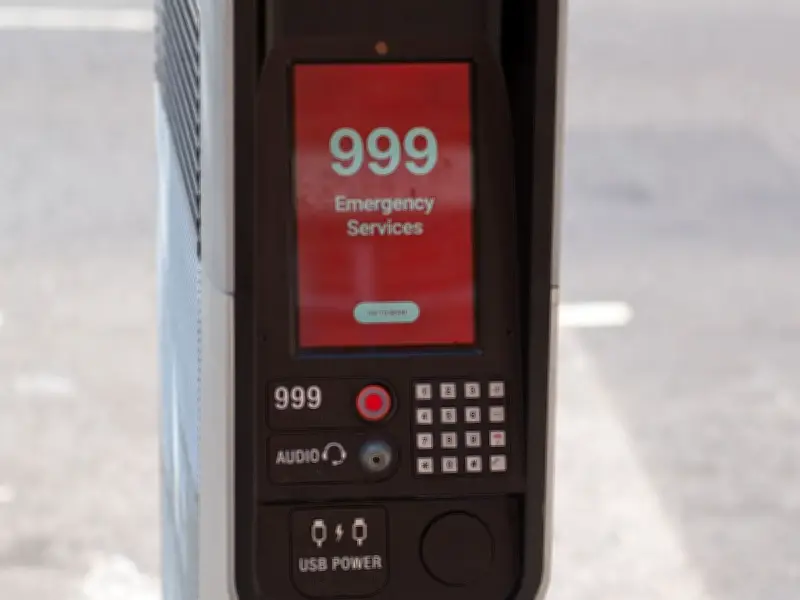
“The 30 minutes does not begin with watching and waiting,” Dr Safa Al-Musawi explained. “Cooling needs to start as soon as heat exhaustion is suspected.” She continues, “Most people should begin cooling down and feeling noticeably better within around 30 minutes. If they are still unwell after resting somewhere cool, having their skin cooled and drinking fluids, call 999. This may indicate that heat exhaustion has progressed to heatstroke.”
When to call 999 immediately
The most important point, Dr Safa Al-Musawi said, is to act before somebody collapses. She said: “Begin cooling them as soon as the early symptoms appear and stay with them. If they are still unwell after 30 minutes, call 999. If they become confused, have a seizure, struggle to breathe or lose consciousness, call immediately.” Dr Safa Al-Musawi warns that people should not wait for 30 minutes when signs of heatstroke are already present. Call 999 immediately if the person:
- Becomes confused, restless or poorly coordinated
- Has a seizure or loses consciousness
- Develops very fast breathing or shortness of breath
- Has a racing heartbeat
- Has very hot skin that is not sweating
- Remains unwell after 30 minutes of cooling and fluids
“One of the clearest warnings can be a change in behaviour,” Dr Safa Al-Musawi said. “If somebody who was speaking normally can no longer answer simple questions, becomes unsteady or begins behaving strangely, do not assume they are merely tired or have spent too long in the sun. Heatstroke affects the brain as well as the rest of the body. Call 999, continue cooling them while waiting for the ambulance and do not give them anything to drink if they are unconscious or unable to swallow.” Anyone struggling to manage symptoms of heat exhaustion, or who is uncertain about what to do, can contact NHS 111. However, someone with signs of heatstroke needs emergency help.
How to stay safe in hot weather
“Being close to home does not make several hours in strong sun safer,” Dr Safa Al-Musawi warned. “Avoid sitting in direct sunlight for long periods, particularly between 11 am and 3 pm. Take breaks in the shade, drink regularly and limit alcohol because it can make dehydration worse.” “Use at least SPF 30 and reapply it after swimming or sweating. A tan is not a sign that the skin has safely adapted to the sun, and it is still possible to burn on a cloudy day.”
Dr Safa Al-Musawi also warns that older adults, babies, young children, pregnant women and people with heart, lung or kidney disease, diabetes, dementia or limited mobility can be particularly vulnerable. Outdoor workers and people exercising in high temperatures can also become seriously unwell, even when they are young and physically fit. “The fact that somebody managed well during the last heatwave does not guarantee that they will cope in the same way this time,” Dr Safa Al-Musawi said. “They may already be mildly dehydrated, sleeping badly or recovering from an illness. Humidity, physical activity and medication can also affect how well the body controls its temperature.”
Checking on vulnerable people
“Ask whether they have been drinking and eating, whether they are passing urine normally and how hot their bedroom becomes during the day,” Dr Safa Al-Musawi said. “Some older people do not recognise thirst as readily. Someone with mobility difficulties may also deliberately drink less because they are worried about reaching the toilet. A few direct questions may uncover a problem that ‘Are you OK?’ does not.” She said people taking prescribed medication should not miss doses or stop treatment because they have read that a particular medicine may increase heat sensitivity. “Some medicines can affect blood pressure, fluid balance, sweating or the body’s response to heat, but stopping them suddenly may also be dangerous,” Dr Safa Al-Musawi added. “Speak to a pharmacist, GP or the clinician managing your condition if you are concerned. It is also worth checking the storage instructions for medicines such as insulin, which need to be protected from excessive heat.”




