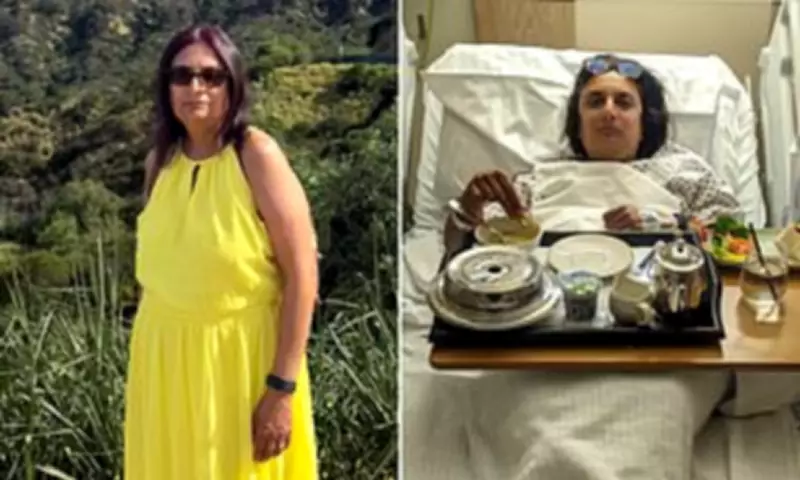
A woman from Milton Keynes who was diagnosed with a rare neurological disorder was told by doctors to consume caffeine to help alleviate her severe headaches. Sapna Bidwall, 45, ended up drinking three coffees, a caffeine tablet and a Coke Zero every day to manage the pain caused by spontaneous intracranial hypotension, a condition resulting from a cerebrospinal fluid (CSF) leak.
Initial symptoms dismissed as dehydration
Ms Bidwall, an accountant, first experienced headaches in July 2023 while on a family holiday to Croatia with her husband Palvinder and their 13-year-old daughter Diya. After spending long days in the sun, she attributed the symptoms to dehydration, even as they persisted. However, she noticed that her symptoms disappeared when she lay down, a key sign of the condition.
Spontaneous intracranial hypotension occurs when a small tear in the membrane surrounding the brain causes CSF to leak, leading to the brain sagging within the skull. This results in headaches that worsen when standing or sitting upright and ease when lying flat. The condition is rare, affecting about five in every 100,000 people in the UK, predominantly women.

Misdiagnosis and worsening symptoms
After returning to the UK, Ms Bidwall was referred to a physiotherapist, but she felt the sessions were ineffective. Her symptoms, including loss of appetite and frequent vomiting, continued. During a family holiday to the Turks and Caicos Islands in December 2023, her condition worsened significantly after using water slides. She described her head feeling like it was 'blasting' and sought medical help.
On January 2, 2024, she was diagnosed with 'brain sag' and advised to rest and consume caffeine. Caffeine helps narrow blood vessels in the brain, temporarily relieving symptoms, and may stimulate CSF production. Ms Bidwall, who previously did not drink much coffee, adjusted her habits to include caffeine later in the day to prevent morning headaches.
Treatment and surgery
Ms Bidwall spent nine weeks at home, which she described as 'like being in prison'. She joined a Facebook support group for CSF leak patients and consulted a private consultant neuroradiologist, Dr Lalani Carlton Jones. After two myelograms, she was referred to neurosurgeon Dr Grahovac, who initially recommended monitoring the leak. However, a follow-up MRI showed the leak persisted, and she opted for a thoracic laminoplasty procedure in March 2025.
The three-hour surgery was successful, and Ms Bidwall now wakes up without headaches, even without caffeine. She expressed immense gratitude to her doctors, stating, 'I know I've got life because of them and I have a second chance. It's like I've won a lottery.'