Ben the Vet has revealed four cat breeds he would personally avoid keeping as pets, pointing to potential behavioural traits and health concerns that could make them unsuitable for many households.
Scottish Fold
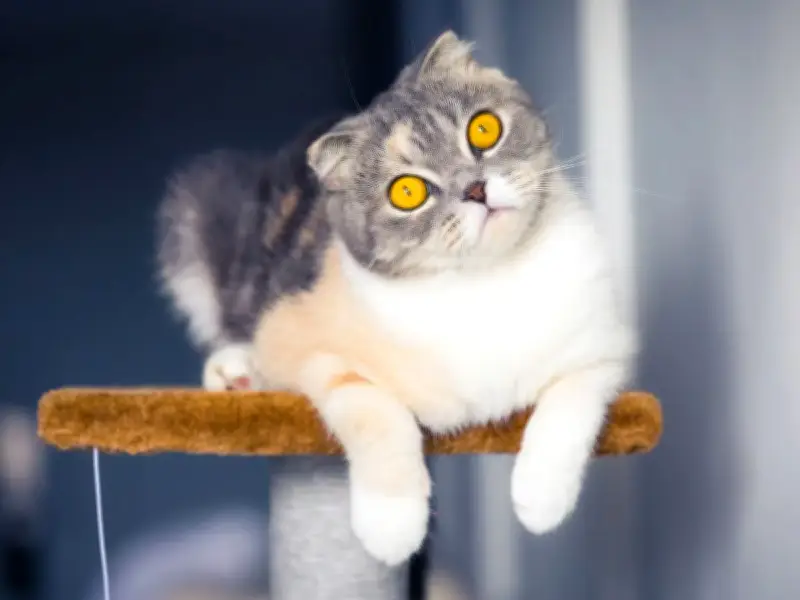
The Scottish Fold is easily recognisable thanks to its folded ears, round face and big-eyed "teddy bear" look. Temperament-wise, they are often described as gentle, affectionate and fairly laid-back. The breed traces back to a farm cat with folded ears found in Perthshire in the early 1960s and has remained popular in the UK ever since.
Ben explained: "A breed I would never buy is a Scottish Fold cat. The reason is, their curly ears, which is their main feature, is actually because of a cartilage disorder."
Bengals
Bengals are a muscular, agile breed with a striking leopard-like spotted or marbled coat. Bright and busy, they thrive on play, climbing and lots of interaction.
Ben said: "They are beautiful-looking cats, they have gorgeous coats. I can see why people like them." However, he explained he wouldn't want to own one as they are essentially a cross between a wild cat and domestic cat breeds.
He added: "At the vets, they have a reputation for being quite aggressive. This is usually out of fear but they can be quite dangerous to handle. They're highly intelligent, they need a lot of stimulation and unfortunately, a lot of homes just aren't quite right for them."
Sphynx and Persian
The Sphynx is instantly recognisable for its almost hairless, softly wrinkled skin. Affectionate and outgoing, it needs routine skin and ear care to stay comfortable. Ben admitted he "prefers cuddling a fluffy cat".
For Ben, the Persian's flat face is also a major concern. He said: "I have seen Persian cats whose noses look inverted into their face and their eyes bulge beyond their nose. People don't realise they can struggle to breathe just as badly as some of the flat-faced dog breeds."
He added: "It is for the same reasons on the whole - their nostrils are too small, all of the bones in their nasal passage are crowded together, and their tear ducts usually don't work properly."