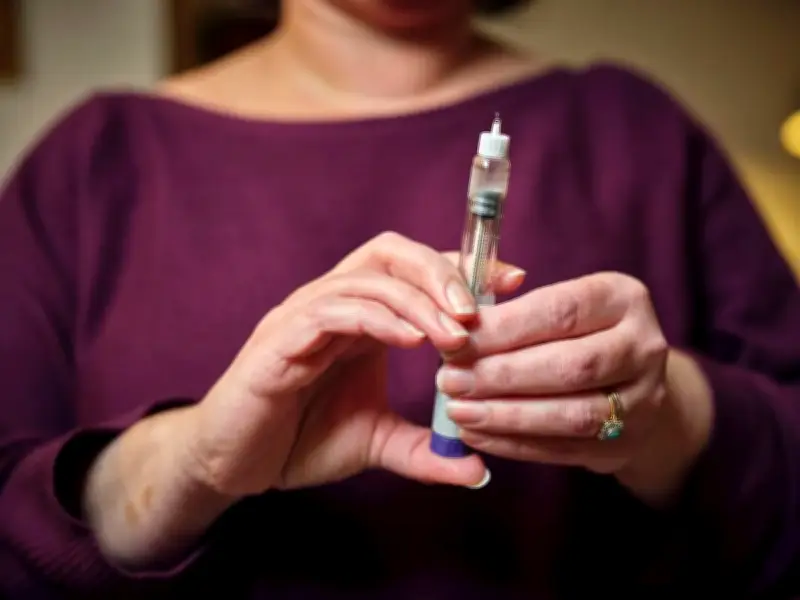
A new study has revealed a link between popular weight-loss and diabetes medications and an increased risk of hair and nail issues. The findings, presented at the European Academy of Dermatology and Venereology (EADV) Congress, suggest that medications like Semaglutide (Ozempic and Wegovy) and Tirzepatide (Mounjaro and Zepbound) may have unexpected dermatological side effects.
While these GLP-1 receptor agonists are widely used to manage type 2 diabetes and promote significant weight loss, there have been reports of certain body changes. The new multi-country research is one of the first major controlled trials to formally investigate such claims.
Study findings on nail and hair health
The study evaluated 575 people actively taking GLP-1 medications across France, the United States, Brazil, and Mexico. Researchers compared their experiences against a control group of 1,329 people who had obesity or type 2 diabetes but had never used the drugs.
The results showed a stark contrast in nail health between the two groups. Most notably, 39% of GLP-1 users experienced onycholysis, a condition in which the nail separates from the nail bed. Meanwhile, only 9% of the control group reported this issue.
Nail discolouration affected 46% of those taking the medications, compared to just 17% of non-users. Overall, two-thirds of the GLP-1 patients experienced at least one form of nail disorder.
Expert insights and possible causes
"Until now, nail changes associated with GLP-1 therapies had essentially been anecdotal," said study author Dr Charles Taïeb. "Our findings show a clear association, but they also underline an important point: not everything that happens during GLP-1 treatment is necessarily caused by the treatment itself."
Hair health was also a significant factor. A related analysis at the same conference found that 50% of GLP-1 users experienced unusual hair loss, compared with 34% in the control group.
Implications for patients
"These changes are frequent, usually benign, and are not a reason to stop an effective treatment on one’s own initiative," study author Dr Bruno Haliou said. "Anyone who notices hair shedding, an itchy or red scalp or nail changes should mention it to their doctor rather than discontinue therapy."
Medical experts caution that the study demonstrates a strong association, not direct evidence, that the medication itself damages hair and nails. Instead, the complications may be a secondary reaction to rapid weight loss.
Quick drops in body weight can shock the system, disrupting the natural growth cycles of both hair and nails. Reduced caloric intake can also lead to temporary deficiencies in essential nutrients such as zinc, biotin, and protein, which are vital for keratin production.
As GLP-1 medications continue to rise in popularity, researchers emphasise the importance of patient awareness. Anyone taking these drugs should monitor their hair and nail health and consult their healthcare provider if they notice significant changes.
Changing what you eat to make sure you get enough vitamins and minerals while you're trying to lose weight could help reduce these issues. Always speak to a doctor first before making any major diet or lifestyle changes, especially if you are taking medication, and speak to a professional if you have any concerns or questions.