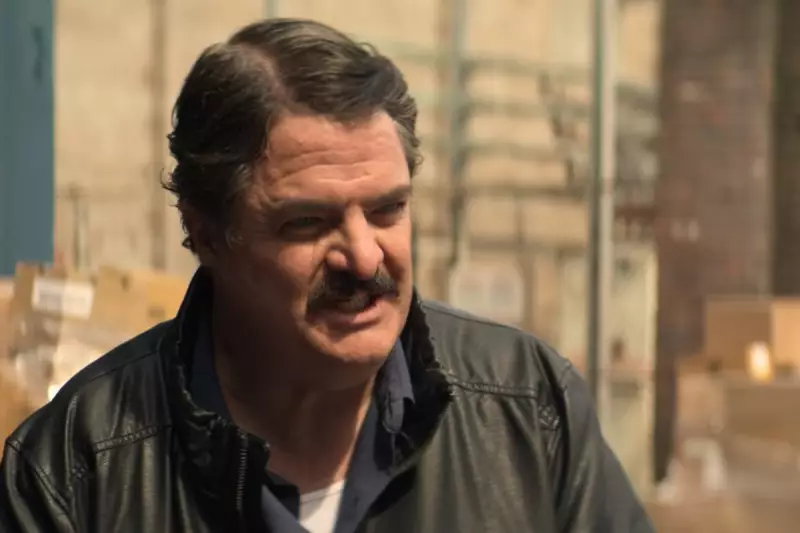
In a candid and moving disclosure, Grey's Anatomy actor Steven W Bailey has publicly shared his diagnosis with a rare genetic condition known as Congenital Myasthenia Syndrome (CMS). The actor, known for his role on the hit medical drama, posted an open letter on the social media platform X on Monday 5 January 2026, ending years of privacy surrounding his health.
Living with Congenital Myasthenia Syndrome
Bailey explained that he had kept his condition private for a significant period, citing both career concerns and a lengthy process of diagnostic uncertainty. Congenital Myasthenia Syndrome is a rare neuromuscular disorder that impairs communication between nerves and muscles, leading to significant muscle weakness. This weakness is particularly pronounced during physical activity and affects the muscles used for essential functions.
The actor detailed how CMS impacts his daily life, stating that his hands, arms, and legs tire with alarming speed. "Walking has become increasingly difficult," he wrote, a reality that has led him to rely more frequently on a powered wheelchair for mobility and to conserve his energy.

A New Chapter for On-Screen Representation
Far from retreating from his career, Bailey framed his announcement as a new beginning. He expressed a firm intention to embrace his condition within his professional life. A key part of this new chapter is his desire to portray characters who use wheelchairs.
Bailey highlighted the critical need for authentic disability representation in film and television, signalling his commitment to using his platform to promote greater visibility and understanding. His message, "Same guy. Now with wheels," underscores a determination to continue his work while living openly with CMS.
The Impact of a Public Diagnosis
By choosing to share his story, Steven W Bailey joins a growing number of public figures who are raising awareness of rare medical conditions. His openness provides a powerful human face to Congenital Myasthenia Syndrome, a disorder unfamiliar to many.
This move is likely to resonate within the entertainment industry, challenging casting norms and advocating for more inclusive storytelling. Bailey's proactive approach turns a personal health challenge into an opportunity for advocacy, aiming to inspire both audiences and industry professionals alike.