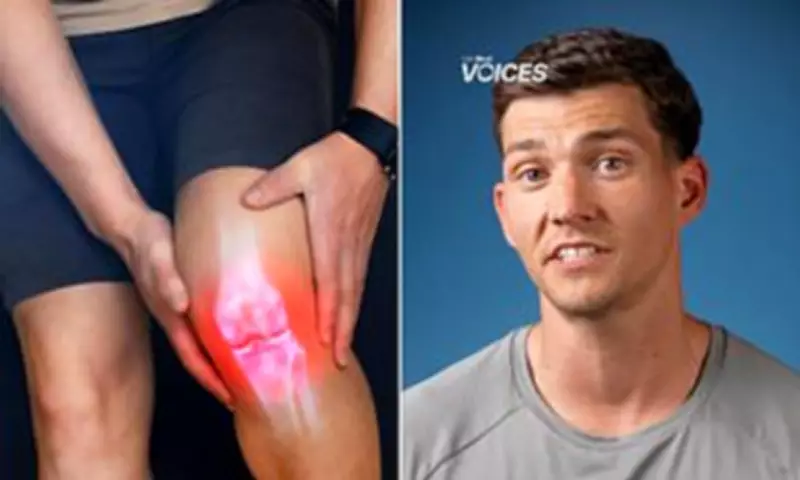
Knee pain is a common complaint that affects millions of people worldwide, but experts now emphasize that simply treating the symptoms without addressing the underlying cause may lead to persistent discomfort and further injury. A new video and accompanying advice from orthopedic specialists highlight the importance of a comprehensive approach to knee health.
Understanding the Root Cause
According to Dr. Emily Hart, a leading orthopedic surgeon, many patients focus on temporary relief through painkillers or ice packs, but these methods do not solve the mechanical or structural issues causing the pain. 'The knee is a complex joint, and pain can stem from muscle imbalances, ligament weaknesses, or improper movement patterns,' she explains. 'Identifying the root cause is the first step to effective treatment.'
Common underlying issues include weak quadriceps or hamstrings, tight IT bands, patellar tracking problems, or arthritis. Without addressing these, pain often returns or worsens.

Key Recommendations
Experts suggest a multi-faceted approach:
- Strengthening exercises: Focus on quadriceps, hamstrings, and glutes to support the knee joint.
- Flexibility training: Stretching the calves, hamstrings, and IT band can reduce tension on the knee.
- Proper footwear: Shoes with adequate support can correct alignment issues.
- Activity modification: Low-impact exercises like swimming or cycling can maintain fitness without stressing the knee.
Physical therapy is often recommended to create a personalized plan. 'A therapist can assess your gait, strength, and flexibility to pinpoint the problem,' says Dr. Hart.
When to See a Specialist
If knee pain persists for more than a few weeks, or if it is accompanied by swelling, instability, or inability to bear weight, a medical evaluation is necessary. Early intervention can prevent chronic issues.
The video, produced by the British Orthopaedic Association, demonstrates simple self-assessment techniques and exercises that can be done at home. It also warns against common mistakes, such as overdoing high-impact activities without proper conditioning.
Ultimately, the message is clear: don't just mask the pain—fix what's causing it. With the right approach, most knee pain can be significantly improved or resolved.