The 1976 bicentennial of the United States was a cathartic celebration that healed a nation wounded by Watergate, Vietnam, and civil rights strife. Today, as America marks its 250th anniversary, the mood is starkly different, marked by fear and division under Donald Trump.
The 1976 Bicentennial: A Healing Celebration
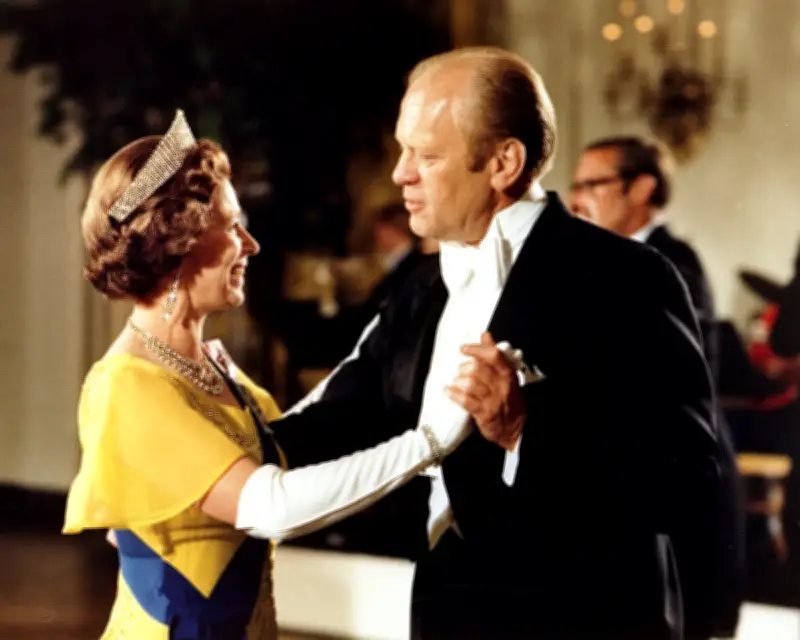
Gerald Ford's 1974 inaugural address, declaring 'our long national nightmare is over,' set the tone for the bicentennial. The 200th birthday celebrations in 1976 were a decade in the making and provided a needed catharsis. The tall ships parade in New York Harbor featured 16 traditional vessels and 100 modern boats from around the world, drawing state visits from Queen Elizabeth II and French President Valéry Giscard d'Estaing.
Ford's July 4 speech characterized the Declaration of Independence as 'not a protest against government, but against the excesses of government,' a coded message to anti-government critics. Historian Jonathan Alter noted that the celebration was 'more vital and happy because of a broad belief that the system had worked,' contrasting with today's 'fear and loathing.'

Nixon's Attempt to Control the Bicentennial
Richard Nixon initially tried to control the bicentennial preparations, similar to Trump's approach to the 250th. He reshuffled the American Revolution Bicentennial Commission to appoint allies, but backlash over corruption and a 'buycentennial' led to its replacement with a decentralized, grassroots-focused body. History professor MJ Rymsza-Pawlowska said both administrations 'micromanaged and tried to exercise tremendous control over a kind of top-down patriotic commemoration.'
The resulting 1976 celebrations were participatory and community-driven, unlike the Trump-inspired federal spectacle. Rymsza-Pawlowska added that the 1976 bicentennial gave Americans space to 'find their meaning,' allowing both celebration and reflection.
Economic Challenges Then and Now
The 1976 bicentennial occurred amid economic uncertainty from the 1973 oil shock, with inflation and rising unemployment. Historian James Robenalt described it as a transition from industrial prosperity to the rust belt, yet the political mood was positive. 'It feels very much like people don't know where we’re going,' he said of today, contrasting the 'circus atmosphere' with the past when 'political opponents were political opponents.'
Historical Parallels: 1926 and 1876
Former ambassador David McKean noted that the 150th anniversary in 1926 saw 15,000 Ku Klux Klan members march on Washington, amid nativism and inequality after the Spanish flu pandemic. The 1876 centenary included Custer's Last Stand and a disputed election that led to Jim Crow laws. McKean said, 'We didn’t really have a full-fledged democracy during that period,' but progress was made in the 1960s and 70s, now being rolled back.