A leading wildlife expert has warned that zoos must do more to stop people getting into dangerous animal enclosures, following the death of a man mauled by a tiger at Yorkshire Wildlife Park. Will Travers, executive president of the Born Free Foundation, said safety measures needed to focus not only on keeping animals inside their enclosures but also on preventing visitors from getting in.
The warning came after a man, believed to be in his 20s, died after entering the enclosure housing a Siberian tiger at the wildlife park near Doncaster on Saturday. Mr Travers, who stressed he was not directly criticising Yorkshire Wildlife Park, argued that the tragedy should prompt a fresh look at how zoos protect both visitors and animals, including the barriers designed to keep the public away from dangerous wildlife.
Containment measures under scrutiny
Mr Travers told Express.co.uk: “They are focused, of course, on containing the animal. That's the fence is there to contain the animal.”
“But I think we should be looking at whether the fence is preventing people getting in, either accidentally or intentionally, as may be the case this time round.”
He stressed that he was not prepared to speculate about exactly what happened at Yorkshire Wildlife Park, adding that a full investigation would be needed to establish the circumstances. However, he pointed to the need to consider how people might enter enclosures both accidentally and deliberately.
He cited the case of a three-year-old boy who was thrown into a crocodile enclosure in Cambridgeshire in June as another example of the risks when people end up inside dangerous animals' habitats. Mr Travers said: “So we need to look at these containment measures.”
Blurred understanding of risks
Mr Travers also warned that the way zoos present dangerous animals to the public could blur people's understanding of the risks. Visitors are often encouraged to get close to wildlife from viewing platforms and boardwalks, he said, while social media has helped fuel a culture of taking photographs and videos alongside animals for attention online.
Mr Travers said: “The idea that we go to facilities like zoos and we are encouraged in a way to get up close and personal. Obviously, not too close and personal, but nevertheless, we are encouraged to have what is a very unnatural relationship with dangerous wild animals.” He added that social media had made the problem worse, with people taking “selfish selfies” alongside dangerous wildlife for clicks and likes.
Mr Travers said: “It's become quite sort of blurred our understanding of what is the appropriate relationship with these animals.” He made clear, however, that he did not know whether this had played any part in the Yorkshire Wildlife Park tragedy.
Background and sympathies
Mr Travers is the son of Dame Virginia McKenna, the actress who starred in the 1966 film Born Free alongside her husband, Bill Travers. The film, based on the true story of conservationists Joy and George Adamson and their efforts to return a lioness named Elsa to the wild, helped inspire the couple’s lifelong commitment to animal welfare. Ms McKenna and her family went on to campaign against the treatment of wild animals in captivity, founding Zoo Check in 1984 after becoming concerned about the plight of an elephant named Pole Pole at London Zoo. The organisation later became the Born Free Foundation, with Will Travers going on to become its executive president.
Mr Travers also emphasised that his sympathies lay first and foremost with the young man who died and those affected by the incident, including the zoo's staff. He said: “First and foremost, my sympathies are with the family and friends of the man who died.”
“Born Free’s thoughts are also with the staff at Yorkshire Wildlife Park who must be traumatised - and also with the wider public who will have been shocked by events.”
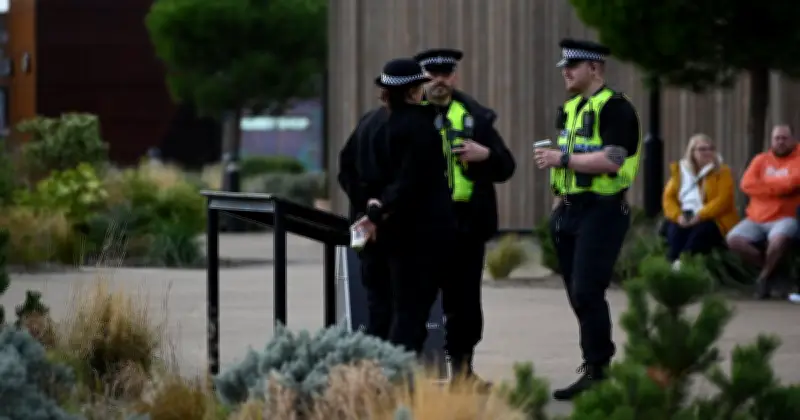
South Yorkshire Police said officers received a report of a man entering the tiger enclosure at 1.35pm on Saturday. The tiger attacked him, causing serious injuries, and he was pronounced dead at the scene despite the efforts of emergency medical personnel. The force confirmed the tiger, named Altai, was uninjured and remained inside its enclosure. Police urged the public not to share footage of the attack circulating online.
Mr Travers, who previously sat on a former incarnation of the Government's Zoo Expert Committee, said licensed zoos already had emergency intervention plans as part of their inspection arrangements. But he argued that the wider question of how to keep people out of enclosures deserved greater attention. He said: “It's not always only about keeping animals in, it's about keeping humans out.”