More than 107,000 plant and animal species are in use or sold globally in the wildlife trade, a figure more than twice as high as previously thought, according to a new study. The research, published in Science Advances, warns that global assessments of wildlife trade have major gaps and have failed to keep pace with changes such as the growth of online exotic pet sales.
Past estimates, such as one of about 50,000 species made by the Intergovernmental Science-Policy Platform on Biodiversity and Ecosystem Services (IPBES), have been overtaken by more comprehensive datasets and newer studies tracking species sold online for decoration. The research found, for example, that the number of traded butterfly species exceeds the IPBES estimate for all traded terrestrial invertebrates combined.
Trade dimensions have changed
Alice Hughes, a professor at the University of Melbourne and lead author of the study, said the scale of modern trade is not being captured. "The dimensions of trade have changed. Without monitoring it in a representative way, we cannot manage it," she said. "At the moment, we are completely underestimating what modern trade looks like – for the pet trade and for the ornamental trade, we are not capturing it. And it poses a major risk to species."
The study draws on more comprehensive datasets, as well as newer research papers that have tracked species sold online for decoration. It shows flaws in our understanding of what species are at risk; for example, the number of butterfly species found to be traded is greater than the IPBES’ entire estimate for all traded terrestrial invertebrates.
Molly Brown, programme officer for wildlife use and trade at the International Union for Conservation of Nature and a co-author of the paper, said the findings were a reality check. "The number of species that we are talking about is still an underestimate, and that’s really clear in the paper, because we cannot access and we do not have the type of monitoring data that we really need," she said.
Beyond illegal smuggling
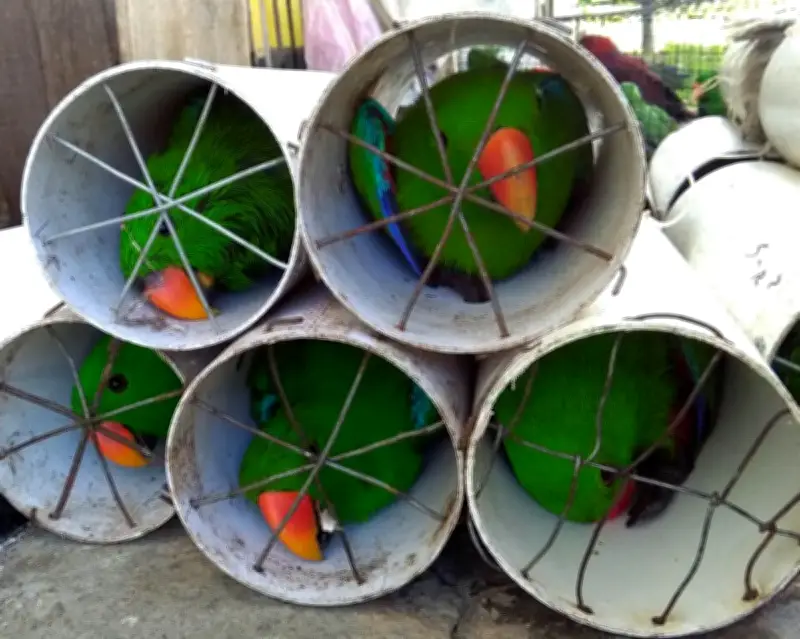
Discussions about the wildlife trade often focus on criminal activities, such as illegal smuggling of ivory or pangolin scales. However, the wildlife trade encompasses sectors such as fisheries and the timber trade as well as fashion and the sale of species as ornaments. This includes activities that may be sustainable, as well as trade that is driving species to extinction.
Even assessing the value of the legal trade compared with the illegal trade is challenging. The under-regulation of wildlife trade has created loopholes that allow species, including sought-after exotic pets, to be "laundered into legality", researchers said.
Four years ago, nearly 200 countries agreed to ensure that trade of wild species was "sustainable, safe and legal", as part of a landmark set of targets aimed at ending the destruction of nature. Efforts to meet these targets are hampered by a lack of data about what is being sold and where it originated.
Monitoring gaps and risks
The main data point for measuring progress on a globally agreed wildlife trade target refers only to fish stocks, which would account for at most 3% of all traded species, said Hughes.
Experts say there needs to be more systematic data collection and sharing. Globally, fisheries are monitored by the UN Food and Agriculture Organization of the United Nations, while the Convention on International Trade in Endangered Species of Wild Fauna and Flora (Cites) monitors and regulates international trade in about 40,000 species to protect them from over exploitation.
However, researchers said that this excludes large numbers of potentially vulnerable species, warning the Cites system is too slow moving to keep up with new trends in threats to wildlife. Most countries lack any systematic data outside Cites, the study says. "Sometimes, it is years before things get listed and that means that they can be virtually extinct in the wild by that point," said Hughes.
Species that are newly described are often rare and have a small range, meaning they are especially valuable to trade, and can be quickly wiped out.
Chris Shepherd, a conservation advocate at the Centre for Biological Diversity, who was not involved in the study, added that he had observed the wildlife trade for decades and that new species were continually appearing. "The demand for wildlife, especially live wildlife traded for pets, is growing fast, as is the number of species involved," he said. "This trade is pushing an ever-growing list of species towards extinction, and as such, putting in place mechanisms to better monitor this trade are essential."