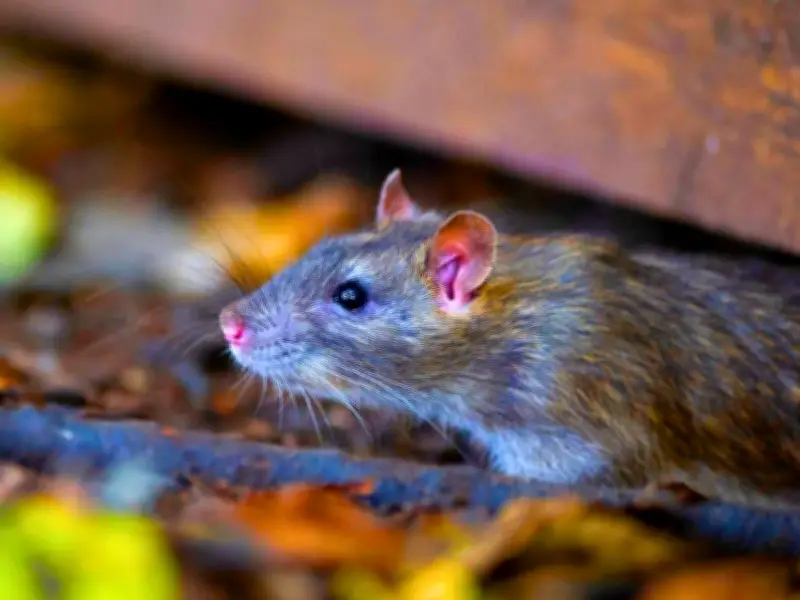
Gardeners can help prevent rats from nesting in sheds this winter by carrying out three simple tasks before colder weather arrives. Sealing gaps, removing food sources and clearing clutter can make these spaces less inviting to rodents.
Seal gaps and openings
The first task is to inspect the shed for openings that could allow rats inside. Rats can squeeze through gaps as small as 6mm, making it important to check even small holes. Attention should be paid to areas around doors, vents and the base of the shed.
Experts recommend sealing holes with wire mesh or steel wool rather than using plastic or foam.
Remove food sources
The second job is to look at what is being stored inside. Seeds, bulbs and compost are among the items gardeners are advised to remove as potential food sources. If these items need to stay in the shed, the advice is to keep them in tightly sealed metal containers. This allows gardeners to retain their supplies while making them less accessible to rodents.
Clear clutter
Finally, tackle clutter and organise stored belongings. Keeping boxes on shelves helps reduce the hidden corners where rats could nest. Alongside sealing gaps and removing food sources, a more organised shed can help make the space less attractive to unwanted winter visitors.
Helen from Pest Exterminators Essex warns: "Rats in the shed can carry diseases and damage property. Left alone, they often move into the home."
If rats have already moved in, contact a pest control professional rather than disturbing any nests. Poison should not be used to get rid of pests because it can harm pets and local wildlife.