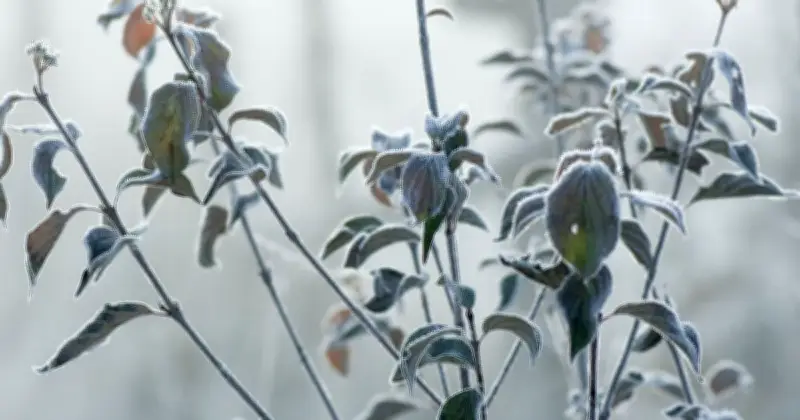
UK gardeners are being urged to prepare for an expected wintry blast over the next few weeks, which is forecast to bring widespread frost, freezing overnight temperatures and snow to several parts of the country. With temperatures expected to dip below zero in many towns and cities, vulnerable garden plants could face a significant risk of frost damage.
While many well-established plants are naturally hardy enough to withstand harsher conditions, tender varieties, newly planted shrubs and container-grown plants are particularly vulnerable to sudden drops in temperature. To help gardeners prepare, Pim Dickson, Senior Horticulturist at UK plant and seed supplier Fothergill's, has shared advice on how to safeguard gardens and give plants the best possible chance of surviving the cold snap.
Cover vulnerable plants before temperatures drop
While horticultural fleece is the best option for covering fragile garden plants, an old lightweight bedsheet can work just as well. Dickson explains: "One of the simplest ways to protect tender plants is to use horticultural fleece. Covering vulnerable plants before temperatures fall can provide an insulating layer, helping to reduce their exposure to frost and cold winds."
"If horticultural fleece isn't available, an old lightweight bedsheet or similar breathable material can offer temporary overnight protection. However, avoid using plastic sheets directly against foliage, as this can trap moisture and potentially cause damage."
The senior horticulturist adds: "Remember to remove temporary coverings during the day when conditions allow, replacing them before temperatures fall again overnight."
Give potted plants extra protection
The gardening expert warns that container-grown plants are frequently more susceptible to frost than those planted directly into the ground, as their roots benefit from less insulation from the surrounding soil.
He advises: "Where possible, move smaller pots into sheltered areas, such as against a house wall, inside a greenhouse or into a porch. For larger containers that cannot easily be moved, wrapping the outside of the pot in hessian or straw can help insulate the roots. Gardeners should also check that drainage holes are clear, as waterlogged compost can increase the risk of root damage during freezing conditions."
Protect roots with a layer of mulch
While it is tempting to concentrate solely on safeguarding leaves and stems, tending to what lies beneath the soil is equally vital. Applying a layer of organic mulch, such as well-rotted garden compost or leaf mould, around the base of vulnerable plants can assist in insulating their roots and minimising fluctuations in soil temperature, suggests the gardening specialist.
"This is particularly beneficial for young shrubs and herbaceous perennials. Take care not to pile mulch directly against plant stems or crowns," he adds.
Resist the temptation to prune frost-damaged plants
Dickson recommends: "If plants look wilted, brown or blackened following a frost, don't immediately assume they have died. Frost damage can look dramatic, but the foliage may be affected while the roots and lower stems remain healthy."
Nevertheless, the horticultural specialist notes that in certain instances, retaining damaged foliage in situ can also offer a measure of protection against subsequent cold spells. He explains: "Rather than rushing to prune, allow plants time to recover and wait until the worst of the cold weather has passed before assessing what needs to be removed."