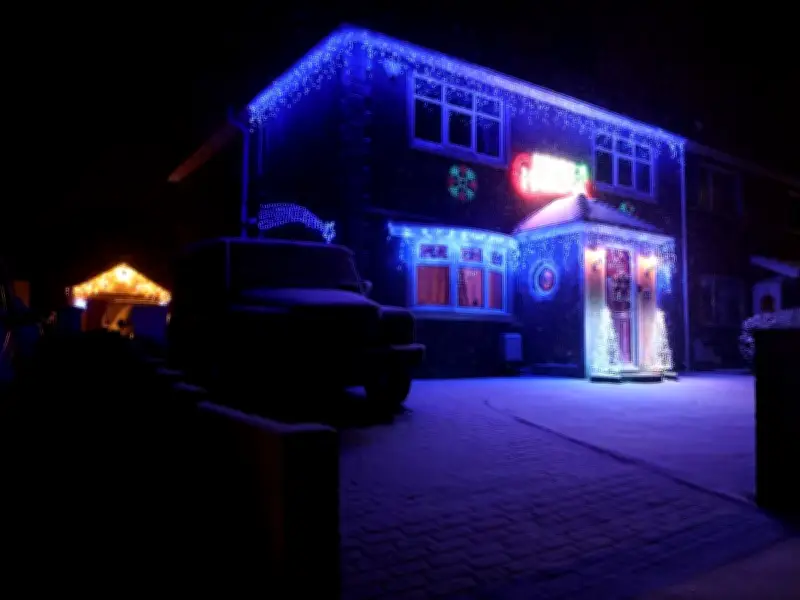
Wildlife expert Lucy Taylor is urging households to reconsider their outdoor Christmas lighting this winter, warning that elaborate bright displays are tricking birds into believing it is morning. The artificial illumination disrupts birds' internal clocks, artificially prolonging their feeding periods well into the night and dangerously draining their winter energy reserves.
How 'false dawn' affects birds
Taylor, a wildlife expert at Vine House Farm, explains that the altered lighting disrupts birds in multiple ways, most commonly through a 'false dawn' effect. The confusion can lead robins and blackbirds to forage in the dark, burning vital calories they cannot easily replace.
"If a bird tries to feed in the dark during winter, flying around to forage burns vital calories that they cannot easily replace," Taylor said. "Smaller birds risk burning through the crucial fat deposits they need to survive freezing nights. Nighttime is also when natural predators are most active, and because most daytime birds have poor night vision, being awake leaves them far more vulnerable."
Practical steps to protect birds
The most effective way to avoid disruption entirely is by switching lights off at 9pm, or setting them on a timer to turn off at 9pm and back on at 6am, ensuring roosting birds are not disturbed overnight.
Taylor recommends several straightforward adjustments that will help protect birds without requiring households to abandon their festive displays completely. These include switching to warm-toned bulbs, as low-intensity yellow or orange-hued options prove far less disorienting to birds. Cool-toned LEDs, such as blue or bright white lights, tend to emit short wavelengths that have been shown to severely interfere with birds' biological clocks.
Leaving roosting spots unlit
Her third suggestion is to leave roosting spots unlit, particularly anywhere birds typically shelter in bushes, hedges and trees. By avoiding wrapping lights around areas where birds normally shelter, these spots remain a safe refuge for them throughout the night.
"Common garden species like robins and blackbirds are particularly sensitive to artificial light. If you hear them singing or notice them foraging before sunrise, check that your lights aren't being left on overnight," Taylor said. "If your lights do stay on later than recommended, make sure to replenish bird feeders first thing in the morning with high-energy foods like suet pellets or sunflower hearts to help them recover."