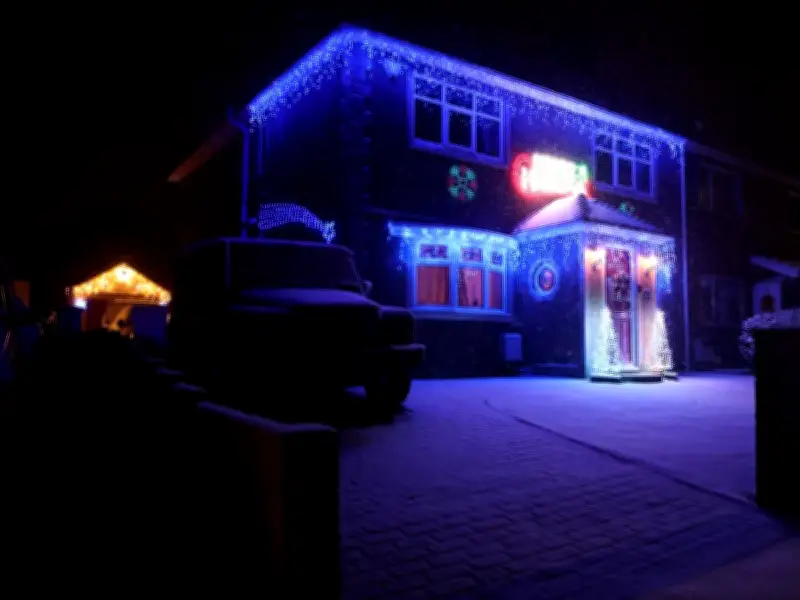
Wildlife expert Lucy Taylor of Vine House Farm is urging households to switch off outdoor Christmas lights by 9pm or use timers, warning that bright displays can disorient birds and drain their vital winter energy reserves.
How lights affect birds
Taylor explains that artificial illumination can trigger a 'false dawn' effect, interfering with a bird's internal clock and prolonging feeding activity into the night. This can leave birds burning essential calories needed to survive freezing nights.
She notes that smaller birds risk losing the fat deposits they need to endure cold nights, while being awake at night also exposes them to predators, as most daytime birds have poor night vision.
Recommended changes
The most effective step is to switch lights off at 9pm or set them on a timer to turn off at 9pm and back on at 6am. Taylor also suggests using warm-toned, low-intensity bulbs with yellow or orange hues, as cool-toned LEDs like blue or bright white emit short wavelengths that can interfere with birds' biological clocks.
Another tip is to leave roosting spots unlit, avoiding wrapping lights around bushes, hedges, and trees where birds typically shelter.
Helping birds recover
Taylor adds that common garden species like robins and blackbirds are particularly sensitive to artificial light. If lights stay on later than recommended, she advises replenishing bird feeders with high-energy foods like suet pellets or sunflower hearts to help birds recover.