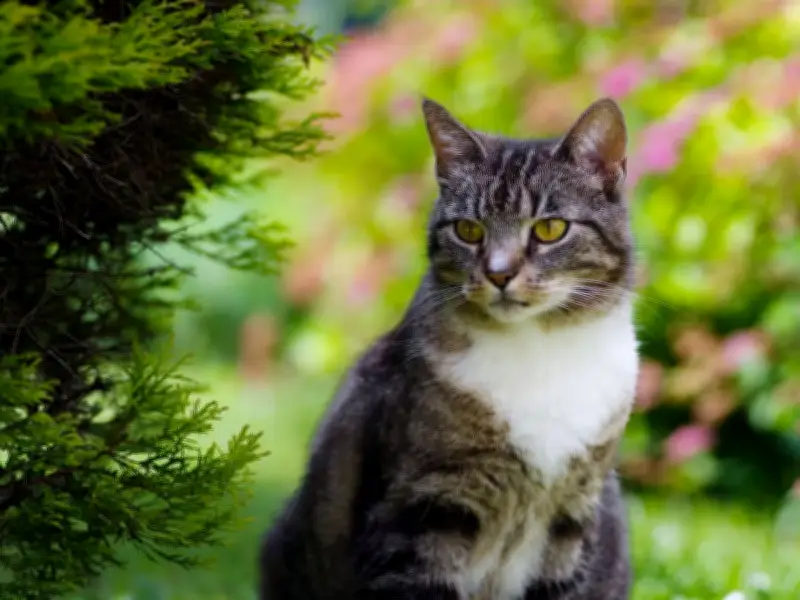
The RSPCA has issued a clear warning to households dealing with unwanted feline visitors: do not feed other people's cats. The charity says offering food is likely to encourage cats to return, making the problem worse.
Why feeding cats can backfire
The RSPCA's advice is direct: "Don't offer other cats food, as they're more likely to return". The charity also warns that feeding someone else's cat can cause other problems, including encouraging it to stay away from its own home at mealtimes.
Homeowners are reminded that cats are protected by law and free to roam, so any deterrent must be humane and must not injure or cause unnecessary suffering.
Humane ways to protect flowerbeds
Instead of feeding, the RSPCA recommends closely planted shrubs, prickly plants, small pebbles or chippings to make soil harder for cats to dig. Keeping flowerbeds watered can also make the ground less attractive to some cats.
Motion-sensitive sprinklers are another option, while people can also make it harder for cats to enter by repairing gaps in fences. For those specifically trying to stop cats using the garden as a toilet, the RSPCA recommends stone chippings, pebbles, small rocks or netting.
Other suggested approaches
The charity also suggests speaking politely to the cat's owner and asking whether the animal has a suitable toilet area in its own garden. People can shoo cats away by shouting or clapping, although the RSPCA admits they may simply ignore the attempt.
Another option is to squirt water near, rather than directly at, the animal with a low-powered water pistol, provided the person remains out of sight. Homeowners should avoid homemade chemical remedies or potentially dangerous deterrents, as their toxic effects may be unknown.
The aim is not to punish a cat for behaving naturally but to make a particular garden less attractive as a toilet or resting place. With food removed and simple physical deterrents introduced, households can protect their flowerbeds while allowing neighbourhood cats to continue roaming safely.