
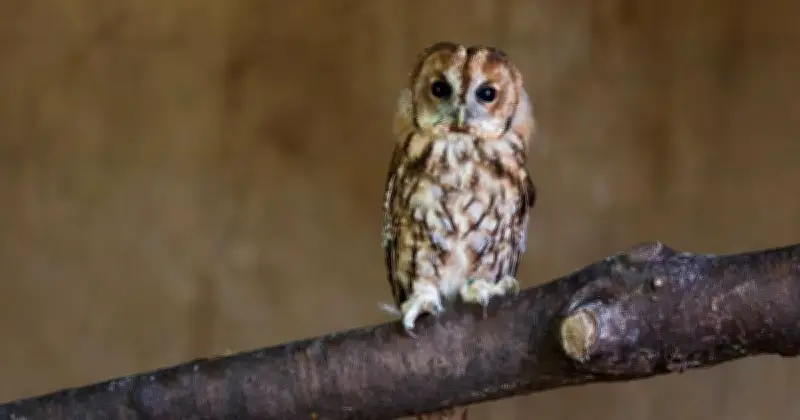
The RSPCA has issued a call to action for people with gardens across the UK, urging them to take small steps to help wild birds as new figures show breeding populations have fallen by 5% between 2020 and 2025.
The latest annual wild bird population figures reveal that numbers have dropped further in recent years, with the UK breeding bird population indicator falling by 5% over that period. The charity highlighted the mounting pressures facing wild birds, from vanishing habitats and extreme weather conditions to disturbance and deliberate cruelty.
Steep declines in farmland and seabird populations
Farmland birds, such as turtle doves and tree sparrows, have been particularly hard hit, with populations plummeting by 63% since 1970. Seabird populations, including Arctic skua, herring gulls and shags, have dropped by 52% since 1986.
The RSPCA warned that wild birds are being forced to navigate an increasingly hostile environment. Pressures include prolonged spells of hot, dry weather, which can make food and water harder to find, as well as wildfires devastating habitats, the loss of nesting sites and the spread of disease. Alongside these environmental threats, some birds are also bearing the consequences of deliberate human cruelty.
Reports of cruelty on the rise
The RSPCA reported it received 876 reports concerning cruelty towards wild birds in 2025, including incidents involving pigeons, corvids, gulls, swans and ducks. During July and August 2025 alone, the charity logged 359 reports involving wild birds, nearly double the 179 reports received during the same period in 2024, marking the highest summer figure recorded over the past five years. Weapons including airguns, catapults, slingshots and crossbows have been deployed in some of the attacks.
Dr Rebecca Machin, wildlife expert at the RSPCA, said: "These figures are a sobering reminder that many of our wild birds are facing a perfect storm of threats, and an increasingly challenging future. Wild birds need suitable places to feed, nest and raise their young, as well as access to food, water and safe habitats. Yet these basic needs can be threatened by habitat loss, extreme weather caused by climate change, disease and human disturbance."
She added: "And, tragically, some birds also face deliberate acts of cruelty. Our frontline teams see the devastating consequences of this - birds shot with weapons, such as catapults and airguns, and left suffering with horrific injuries, and even sadly killed."
Advice for making gardens bird-friendly
As colder temperatures begin to set in, the RSPCA is urging people to consider how they can make their gardens and outdoor spaces safer and more inviting for wild birds. Planting trees, hedges and native plants can offer birds natural sources of nourishment, shelter and nesting opportunities.
The RSPCA recommends providing fresh, clean water and changing it every day if possible, with bird baths cleaned regularly and moved periodically to reduce contamination. Feeders should be kept clean and dried thoroughly before refilling. From November to April, suitable seeds, grains and fresh, good-quality unsalted peanuts can be offered alongside other appropriate bird foods, but seeds and peanuts should be avoided when the weather becomes warmer in May, when the risk of disease spreading is higher.
Other tips include planting bird-friendly plants such as sunflowers, ivy and thistles, positioning feeders well above cat height and away from walls, branches and bushes where predators could hide, and keeping cats indoors where possible when young fledglings are present. The charity also advises giving nesting birds plenty of space and avoiding cutting hedges, felling trees or carrying out other work if active nests are present, as well as considering putting up a nest box to provide birds with a sheltered place during colder weather.
The RSPCA is also urging people to get involved by registering as a Wildlife Friend, a flexible, remote volunteering role that can be carried out from one's own home or local green spaces, or by participating in one-day volunteering activities such as litter picking, supporting pet food banks and fundraising.
Legal protection for wild birds
Dr Machin added: "It might feel as though the problems facing wildlife are too big for one person to make a difference, but gardens and other green spaces can provide vital refuges for birds, particularly when natural food and water are harder to find. By giving birds somewhere safe to feed, drink, shelter and raise their young - as well as giving them space, and reporting incidents of wildlife being subjected to cruelty - we can all play a part in helping them."
All wild birds are protected under the Wildlife and Countryside Act 1981, and it is illegal to deliberately kill, injure or take one, except under licence; any permitted lethal control must involve more humane methods. Anyone found contravening this could face up to six months imprisonment and an unlimited fine.




