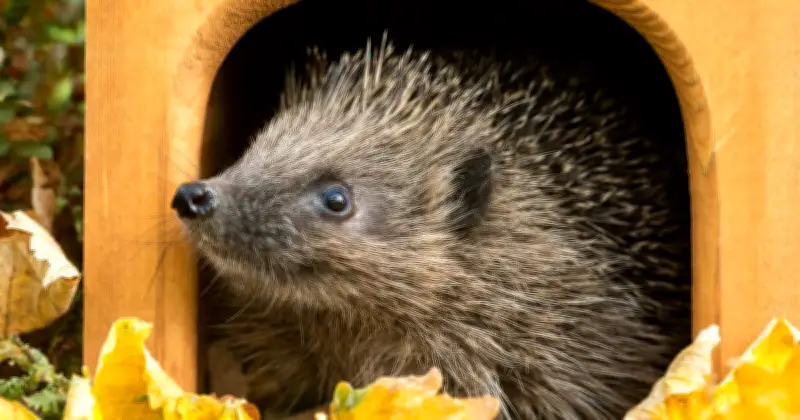
The RSPCA has advised that scrambled eggs are a suitable everyday kitchen item to leave out for hedgehogs as they prepare for winter hibernation.
Late October and early November are considered a critical period for hedgehogs, which need to build up fat reserves before the cold months. Litters born in late summer or early autumn are seen as most at risk, as natural prey such as beetles, caterpillars and earthworms become harder to find in frozen or waterlogged soil.
Weight guidance for survival
According to the British Hedgehog Preservation Society, young hedgehogs can survive hibernation at 450g, but they are more likely to survive and thrive in spring if they weigh 600g.
To help them reach that weight, gardeners can offer scrambled eggs alongside other foods. The advice is to whisk an egg and cook it gently in a pan or microwave without butter, oil, salt or milk.
RSPCA feeding advice
The RSPCA said: "You could try leaving out food such as minced meat, fresh liver, tinned dog food (not fish-based) or even scrambled eggs. Remember to check and replace the food and water daily and dispose of food if not eaten."
"Hedgehogs like milk but it may give them diarrhoea. So it's best to give hedgehogs plain, fresh water each night in a shallow bowl. They should never be given cows' milk."
Eggs provide high-quality, easily digestible protein that mimics the nutrient profile of natural insect larvae, helping hedgehogs build fat stores quickly.
Related garden advice
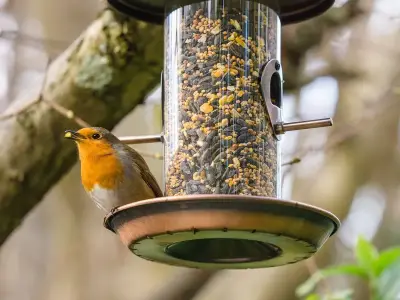
The guidance follows comments from gardening presenter Alan Titchmarsh, who said robins and sparrows will flock to gardens in October if certain plants are grown. On his YouTube channel, he recommended berry plants such as Callicarpa, the beautyberry, and the evergreen edging shrub Pyracantha Firethorn.
The Royal Horticultural Society has warned that although birds may enjoy the berries of Callicarpa, humans and pets should not eat them. The organisation said: "Fruit are ornamental - not to be eaten. Wear gloves and other protective equipment when handling."
It added: "Pets: Fruit are ornamental - not to be eaten - see the HTA guide to potentially harmful plants for further information and useful contact numbers."