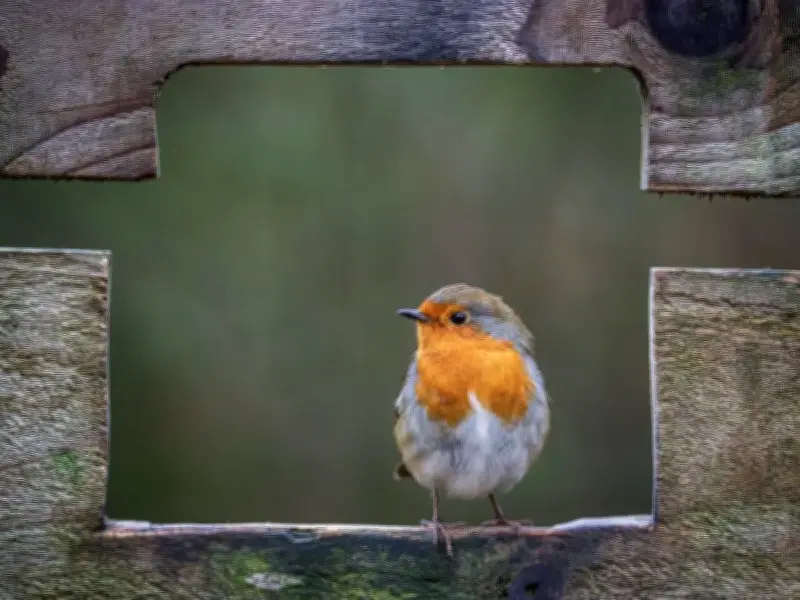
The RSPB has issued November advice for gardeners to help keep garden birds healthy and reduce the risk of trichomonosis, a highly infectious parasitic disease.
As winter approaches and natural food supplies diminish, the RSPB recommends a seasonal adjustment to bird feed. Peanuts and seeds should be offered between November and April, while suet and mealworms can be provided year-round.
Understanding trichomonosis
Trichomonosis is transmitted through contaminated saliva in infected baths or pools. Birds can pass the disease to one another through drinking or regurgitating water.
The disease can cause serious lesions in the throat and upper digestive tract of affected birds. It chiefly affects finches, especially greenfinches and chaffinches, alongside pigeons and doves, leading to difficulty swallowing, lethargy and weight loss.
Protecting birds from disease
The RSPB stresses the importance of seasonal feeding, meaning peanuts and seeds should only be given to birds from November through to April. Food should be kept as dry as possible, since damp food enables disease to persist and be transmitted.
The RSPB urged people to clean and relocate bird feeders to a fresh spot in the garden each week. If using a bird table or another flat surface for feeding, consider replacing it with a more appropriate bird feeder. Water should only be supplied if it can be refreshed daily, and tap water is suggested as it is more likely to protect against disease.
Foods to feed birds in November
Gardeners should remain alert to any dropped food on the ground and clear away any stale food or droppings that may have fallen around the bird feeder.
Recommended foods include suet (pellets, cakes or balls), mealworms, seeds including nyjer seeds and sunflower hearts, peanuts, dried fruit, apples and pears, and berries.