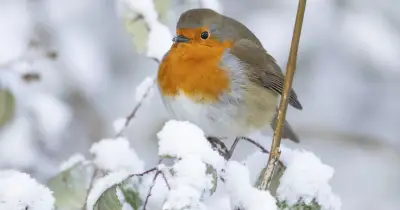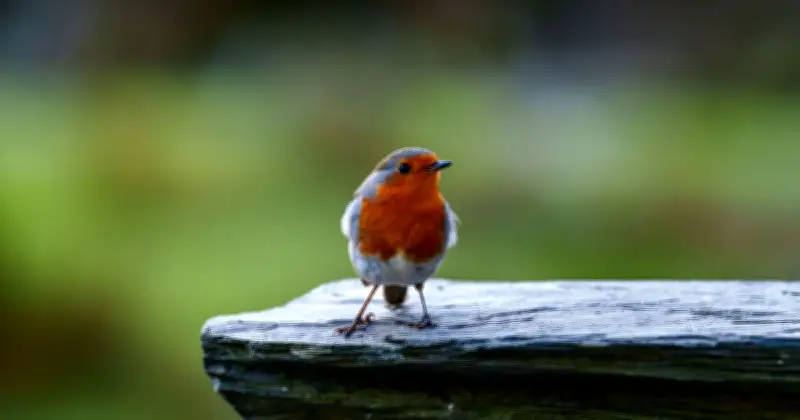
Leaving out mealworms can help robins survive the winter, as they lose up to 10% of their body weight on a single freezing night and natural food sources become harder to find.
Birds feel the cold just like humans do, but it can be a lot more dangerous for them. Just one freezing winter night alone can cause robins to lose up to 10% of their body weight, as they have to burn through their body fat at a rapid rate just to stay warm.
Because of that, building fat reserves is crucial to robins and other wildlife at this time of the year as it keeps them warm, but natural food sources like insects and worms can be harder to find in the cold weather.
Why Robins Struggle During Winter
Robins are facing a number of challenges, including habitat loss, declining insect populations and harsher winters, although they are not considered to be endangered.
When frost hardens the ground, insects such as worms and grubs become scarce, which is a real problem for birds. Experts at TDP say that mealworms are an excellent option for birds, and it's recommended you leave small amounts out for robins to snack on.
Why Mealworms Are the Best Option
Mealworms, which are packed with essential protein, healthy fats, and vital calories, can replicate a robin's natural diet far better than bread or standard seed mixes.
Whether served live or soaked in warm water to add hydration, scattering a handful on a bird table or ground feeder keeps garden robins healthy, active and coming back to your garden all winter long.
Leaving a patch of soil bare in your garden can also be a massive help to robins. They tend to forage in flowerbeds as they are on the hunt for worms and insects that are brought closer to the surface.
You can mimic this by leaving a patch of soil accessible in your garden, which will allow them to search for insects and maintain a natural diet if you forget to leave out the mealworms.