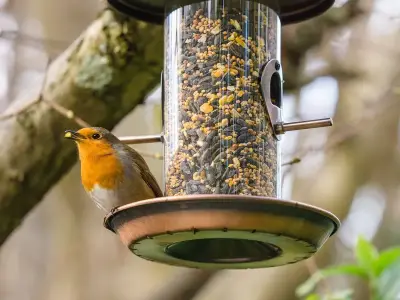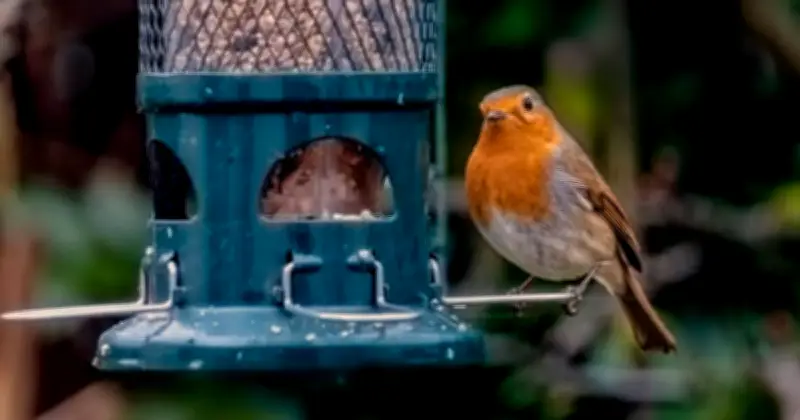
Robins face significant survival challenges in autumn, but a simple change to bird feeder placement can make a real difference, according to an expert from Beaky Bites. The key is to avoid positioning feeders in exposed locations, as robins prefer to feed in more sheltered spots within a garden.
Why robins struggle in autumn
Robins suffer from a high mortality rate, with most living just one to two years. Their natural food sources become scarce as temperatures fall, with soil hardening and insects burrowing deeper underground, while most berries have already ripened and been consumed by other wildlife.
Feeding robins now can significantly boost their chances of survival, yet many people make the error of not knowing the proper placement for food, the expert said.
Where to place a robin feeder
The expert explained: "Robins thrive in gardens with natural cover and quiet spaces. Dense shrubs, small trees, log piles and tangled corners offer protection from predators and harsh weather. Keeping these areas intact throughout winter gives robins safe routes between feeding zones and the nesting box."
Being relatively small birds, robins are easily intimidated by larger garden birds, so they typically avoid busy feeders positioned on lawns or patios where there is excessive competition. Most birds will readily feed from a feeder anywhere, but robins generally favour locations with abundant vegetation where they can conceal themselves.
To attract robins, position a feeder near hedges, shrubs or beneath some form of cover such as a tree. This keeps robins separated from other birds and provides protection from wind or heavy rainfall, making it more likely they'll seek refuge in your garden.
Keeping robins safe from cats
However, exercise caution, as cats are notorious for concealing themselves and ambushing birds. Ensure any feeder is placed approximately one to two metres away from vegetation, giving robins somewhere to retreat if alarmed while being sufficiently distant that a cat cannot hide without being detected.
Robins favour areas with cover, but position a feeder away from walls, fences or low spots where a cat might lie in wait. The ideal location is somewhere reasonably quiet yet with an unobstructed view, enabling robins to spot any cats, larger birds or other predators approaching.
If robins recognise they have a secure feeding spot, they're far more likely to frequent your garden, offering you a greater opportunity to observe these stunning red-breasted birds throughout autumn.