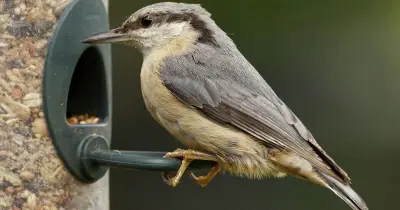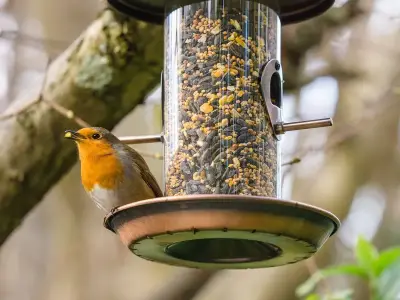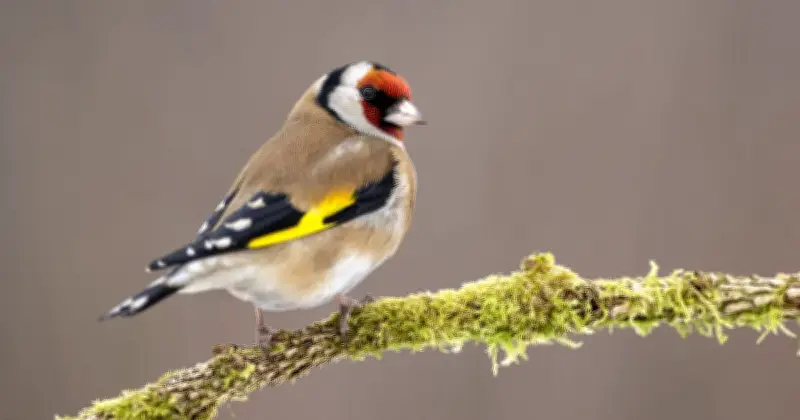
Gardeners can attract robins and goldfinches by placing seeds and peanuts in hanging feeders from November 1, following updated advice from the RSPB and an ornithologist.
Feeding Guidance for Autumn Birds
Autumn is a good time for bird watching, as some birds remain active, seeking shelter and defending their territories during the cold winter months. Ornithologist Susan Jones, from the British Trust for Ornithology, explained that robins and goldfinches have a varied diet, "so they will readily come into our gardens to see what's on offer."
Following the RSPB's updated feeding advice, the bird expert urged gardeners to provide "seeds and peanuts in hanging feeders for their birds again from November 1." Bird enthusiasts can continue feeding seeds and peanuts until April 30, as the risk of spreading the fatal trichomonosis disease is lower during winter.
Why Feeding Pauses in Warmer Months
From May 1 to October 31, the RSPB advises pausing seeds and peanuts because warm weather allows the parasite trichomonosis to spread easily where birds gather. Instead, the RSPB recommends feeding small amounts of "mealworms, fatballs or suet" during those months.
"Research has shown a worrying decline in some of our much-loved garden birds due to a disease called trichomonosis. This is a highly contagious disease and can spread where birds gather in large numbers, such as at bird feeders," the RSPB said.
Feeder Hygiene and Practical Tips
The ornithologist added: "It should be stressed that maintaining good feeder hygiene is vital to minimise the risk of spreading diseases. Similarly, bird baths and water for drinking should be cleaned regularly and filled with fresh water to reduce the risk of disease transmission."
Practical guidelines from November 1 include cleaning bird feeders and water baths at least once a week, placing feeders in a different spot every week, feeding in moderation, keeping food as dry as possible, and changing water in bird baths daily.