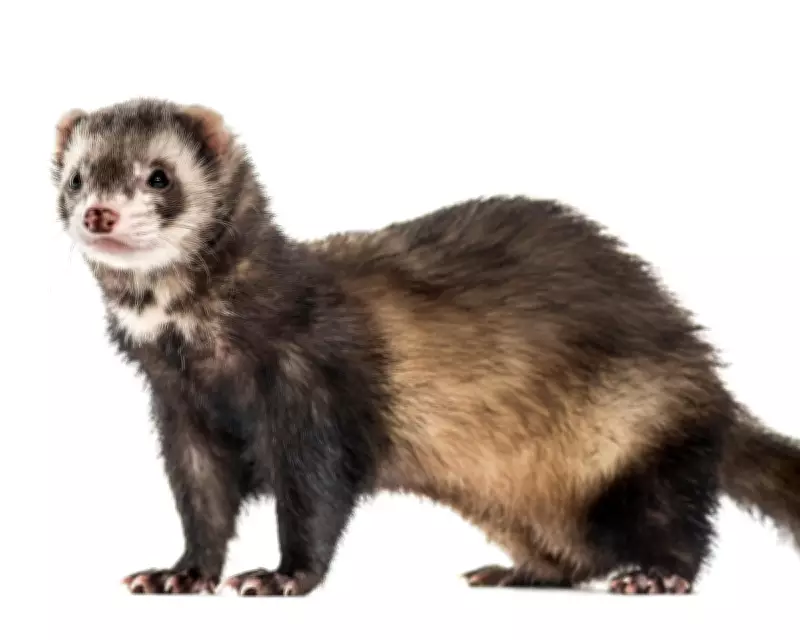
Rathlin Island Declared Ferret-Free in Landmark Conservation Victory
In a world-first achievement, predatory feral ferrets have been successfully eradicated from Rathlin Island off the Antrim coast in Northern Ireland. This milestone marks a significant boost for the region's largest seabird colony, following a comprehensive £4.5 million five-year partnership led by RSPB NI.
The invasive, non-native ferrets were originally introduced to the picturesque island in the 1980s in an attempt to control the wild rabbit population. However, it is believed that both male and female ferrets were released, leading to rapid breeding. These rapacious mustelids soon began feasting on rare and declining burrow and ground-nesting birds, causing severe ecological damage.
Ecological Impact and Urgent Need for Action
Rathlin Island is a critical habitat for endangered species, including corncrakes, peregrine falcons, choughs, and over 250,000 seabirds such as puffins, razorbills, guillemots, and Manx shearwaters. The ferret population grew to more than 100 individuals, predating on Irish hares and devastating islanders' chicken coops. In a stark example of their impact, a single ferret killed 26 puffins over just two days in 2017.

The Life Raft (Rathlin Acting for Tomorrow) project, funded by EU Life, the National Lottery Heritage Fund, Northern Ireland's Department of Agriculture, Environment and Rural Affairs, and the Garfield Weston Foundation, spearheaded the eradication effort. A network of 110 cameras was deployed across the island to monitor ferret activity, complemented by thermal drones and Woody, a specially trained red labrador sniffer dog.
Innovative Techniques and Humane Eradication
Live traps were strategically set to capture ferrets, with alerts sent to trained staff and volunteers to minimise animal suffering. Captured ferrets were swiftly and humanely shot, considered the most ethical method for eradication. This approach underscores the project's commitment to conservation while addressing the welfare of invasive species.
Invasive predators like ferrets pose one of the greatest threats to global biodiversity. Their removal from small islands has repeatedly proven to revitalise rare and declining species, particularly seabird colonies. Similar successes include the eradication of rats and mice from South Georgia in 2018, the largest invasive species project worldwide.
Positive Outcomes and Future Vigilance
By last summer, Rathlin Island was declared ferret-free, yielding immediate positive results. The island recorded six calling male corncrakes, a species not found breeding elsewhere in Northern Ireland. Additionally, burrow-dwelling Manx shearwaters bred on Rathlin for the first time in four decades.
Erin McKeown, Life Raft programme manager for RSPB NI, expressed enthusiasm: "It's brilliant to be ferret-free. These islands are the last real safeguarded site for seabirds. Creating an environment where they can breed and raise their young safely is a lifeline for many species." However, she emphasised the need for ongoing community collaboration to prevent ferrets from returning.
With a human population of about 150 and regular ferry traffic, biosecurity remains paramount. AI-monitored cameras and volunteer checks will vigilantly watch for signs of ferrets and rats at Rathlin's harbour and the port of Ballycastle on the Antrim coast.
Community Support and Broader Conservation Efforts
Tom McDonnell of the Rathlin Development & Community Association highlighted the community's relief: "Lots of people like ferrets, but they are a non-native species here, and the situation was worsening. This eradication will make a massive difference, especially for wildlife. The seabird colony may return to its state from twenty years ago, and chicken-keepers will be protected. It's a win-win for everybody."
The success on Rathlin aligns with broader conservation initiatives across the British Isles. For instance, seabird populations trebled on Lundy after rat eradication, and similar boosts occurred on the Shiant Islands. Ongoing efforts include removing invasive brown rats from Rathlin, with no sightings since last summer, and eradicating non-native stoats in the Orkney islands to protect ground-nesting birds and the unique Orkney vole.

Joanne Sherwood, director of RSPB NI, celebrated the achievement: "This is an extraordinary moment for Rathlin, for Northern Ireland, and for conservation globally. The successful, world-first eradication of ferrets means that puffins and other seabirds can now nest and raise their young more safely on Rathlin for the first time in generations."
Michael Rafferty, Life Raft eradication manager, added: "This is a brilliant red letter day for Rathlin Island and the community, who have worked tirelessly with experts since 2021. Collectively, they have created a safe haven so that puffins and other seabirds can nest without threat from ferrets. The project exemplifies teamwork and conservation excellence at its very best."