Easter Miracle: Rare Pasqueflower Blooms in Tens of Thousands on Hertfordshire Heath
As spring days lengthen and small birds create melodies, many feel a pull to embark on pilgrimages. Each Easter, following this vernal impulse, I trek up the north-eastern edge of the Chilterns. On the sunny slopes of Church Hill at Therfield Heath in Hertfordshire, I place my faith in an annual natural wonder.
A Spectacular Spring Display
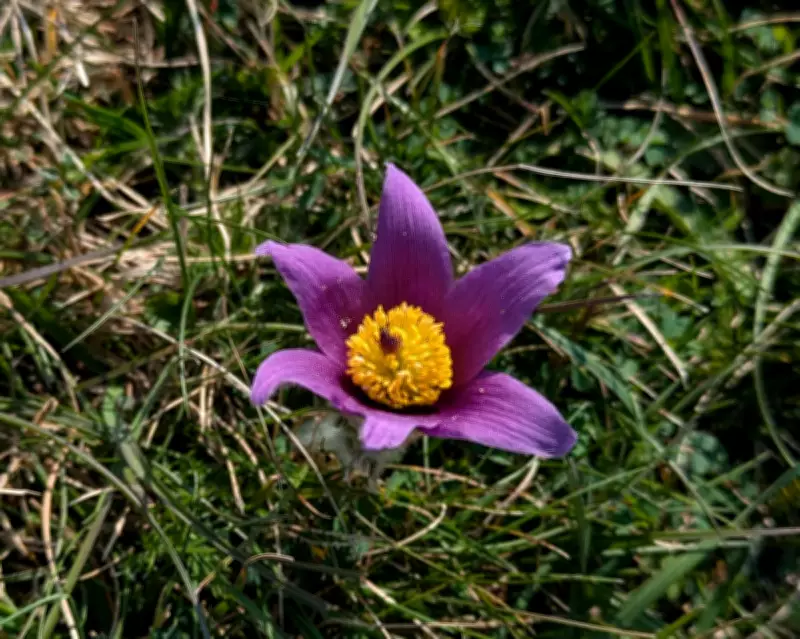
Scattered along the chalky escarpment, approximately 60,000 pasqueflowers—derived from the Middle English paschal, meaning of Easter—are emerging and coming into full bloom. Felty flower buds push through the shallow soil, surrounded by plumes of white-haired bracts. It is impossible to resist stopping to touch them; the undersides of the petal-like sepals feel warm and soft, reminiscent of a newborn's cheek in their irresistible downiness.
Some of the flowers have already unfurled, revealing clusters of golden anthers. Over the coming weeks, the green and white mosaic of grass and chalk will erupt in a violet profusion as the short-cropped sward is overshadowed by a multitude of lustrous bell-shaped flowers. Even the gentlest breeze sets the hillside trembling, with 60,000 nods to the species' Latin name Pulsatilla vulgaris: the common quiverer.

A Rare and Vulnerable Species
Despite its specific epithet, the pasqueflower is no longer a common sight on Britain's thin, calcareous soils. Medieval pilgrims might have encountered slopes shimmering with purple if they walked along chalk or limestone escarpments en route to Canterbury, but modern travellers are unlikely to be so fortunate. Historical records indicate that pasqueflowers could be found in 130 locations in 1750, but ploughing of common lands and changes in grassland management have reduced this number to just 18 sites today. Alarmingly, five of these sites contain 99.3% of the country's remaining plants.
I make my Easter pilgrimage to Church Hill knowing that this precious location holds over a third of the UK's pasqueflowers—a plant now classified as vulnerable on the Great Britain Red List. The area's designation as a local nature reserve and site of special scientific interest offers hope that diverse visitors can continue to enjoy Hertfordshire's county flower here for centuries to come. This is one of the few chalk hills where we are still protecting living treasures rather than merely commemorating the dead.