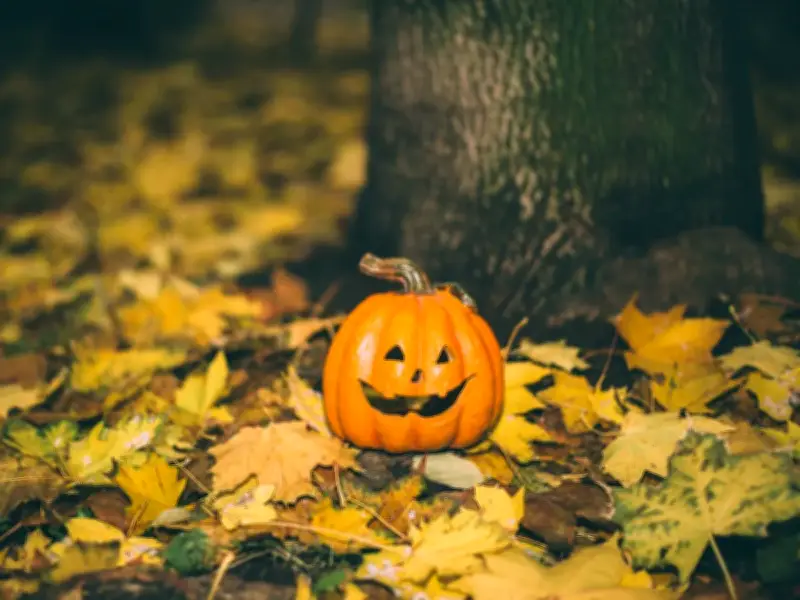
Charities are urging people not to leave pumpkins in parks, fields or woods after Halloween, warning that the practice can harm wildlife and result in heavy fines.
Epping Forest City of London, a charity protecting 8,000 acres of ancient woodland in the UK, has asked locals not to leave pumpkins in the forest once the spooky season is over.
Why pumpkins are dangerous for wildlife
The charity said it might seem like a harmless way to give wildlife an autumn treat, but pumpkins are not a natural part of native wildlife's diet. Pumpkins can make hedgehogs very poorly, and leaving food in the forest for birds, foxes, badgers and deer can contribute to the spread of disease.
Carved pumpkins can also contain traces of paint, glitter, candles or other decorations, which can pose a risk if animals eat them. The charity pointed out how dangerous it is to introduce leftover food into natural environments that have their own habitats, noting that pumpkins are not native and do not belong in the ecosystem.
Legal consequences of fly-tipping
Dumping old pumpkins in woodland, parks or countryside areas is legally regarded as fly-tipping, which can result in an immediate on-the-spot Fixed Penalty Notice of up to £5,000 following recent government clampdowns on waste crime.
Should the offence be considered serious enough to be heard in a Magistrates' Court, the financial penalty can rise dramatically to a maximum fine of £50,000, alongside a possible 12-month jail term.
The charity concluded: "So after Halloween, please put your pumpkin in your food waste, rather than leaving it in the forest."
Local residents took to Facebook to say they had already "observed several" pumpkins in the forests. If you see one while out for a stroll, it is worth clearing it out of forests and green spaces if you are able to do so.
How to properly dispose of a pumpkin
Pumpkins go off quickly once carved, so bin them if you notice any mould, sour smells, slime or fruit flies. You should check your local council guidelines to see what the best disposal method is in your area.
Some councils want pumpkins in food waste caddies, while others allow them in garden waste bins. Meanwhile, some ask residents to put them in general waste if they don't provide food or garden waste services.
Pumpkins are great for compost bins because they break down fast. Just make sure you chop them down into smaller chunks and mix with brown material to reduce the amount of moisture.
Can you eat leftover pumpkins?
If they are carved, this is generally a bad idea because they go rotten quickly. But if you have any uncarved pumpkins, you're in luck.
While the big carving pumpkins can be watery and less sweet than smaller culinary squash, they do have some tasty uses. The gourds are good in soup, pumpkin curry, mashed, roasted or pureed, just to name a few.
With any leftover seeds, scoop them out, rinse them, toss with oil and seasonings, then bake in the oven. They make for a tasty and nutritious snack.