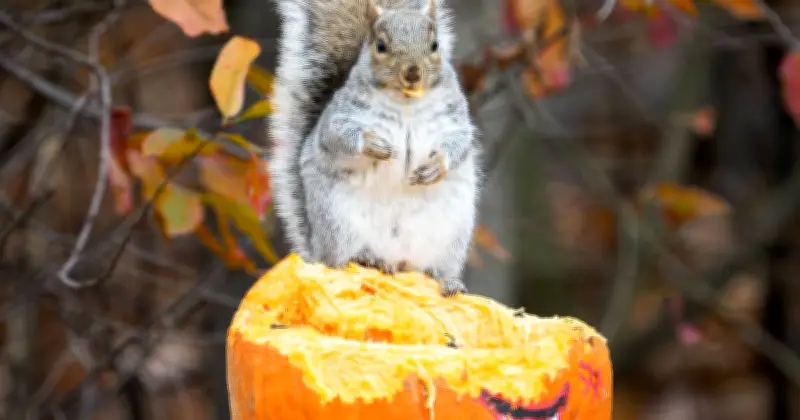
Disposing of carved pumpkins in parks, woodland, or rural areas after Halloween can lead to a Fixed Penalty Notice of up to £5,000, as such actions are legally classified as fly-tipping. Recent government crackdowns on waste-related offences mean that abandoning festive gourds in natural settings carries a significant financial risk.
Why Pumpkins Should Not Be Left in Nature
Epping Forest City of London is among the charities issuing advice to residents as November begins. The charity urged: "Once this spooky season is over, please don't leave your pumpkins in Epping Forest." The warning applies to all UK woodlands and green spaces, which could be negatively affected by gourds left to decay in nature.
The charity stated: "It might seem like a harmless way to give wildlife an autumn treat, but pumpkins aren't a natural part of our native wildlife's diet. Pumpkins can make hedgehogs very poorly, and leaving food in the Forest for birds, foxes, badgers and deer can contribute to the spread of disease."
Legal Consequences of Abandoning Pumpkins
Abandoning old pumpkins in woodland, parks, or rural areas is legally classified as fly-tipping, which can lead to an immediate on-the-spot Fixed Penalty Notice of up to £5,000. If the offence is deemed sufficiently serious to warrant a Magistrates' Court hearing, the financial penalty can increase substantially, to a maximum fine of £50,000, with a potential 12-month prison sentence.
Carved pumpkins can also contain traces of paint, glitter, candles, or other decorations, which can pose a risk if animals eat them. Introducing leftover food into natural environments with their own ecosystems is hazardous, as non-native pumpkins do not belong in the habitat.
Safe Disposal Methods for Pumpkins
Pumpkins deteriorate rapidly once carved, so dispose of them if you notice any mould, unpleasant odours, slime, or fruit flies. Residents should consult their local council guidelines to determine the most appropriate disposal method in their area.
Some councils require pumpkins in food waste caddies, while others permit them in garden waste bins. They may request that residents place them in general waste if food or garden waste services aren't provided. Pumpkins are excellent for compost bins as they decompose rapidly, provided they are cut into smaller pieces and combined with brown material to minimise moisture levels.
Keeping British woodlands protected this Halloween benefits local wildlife and anyone who enjoys walking in nature.